NEWS
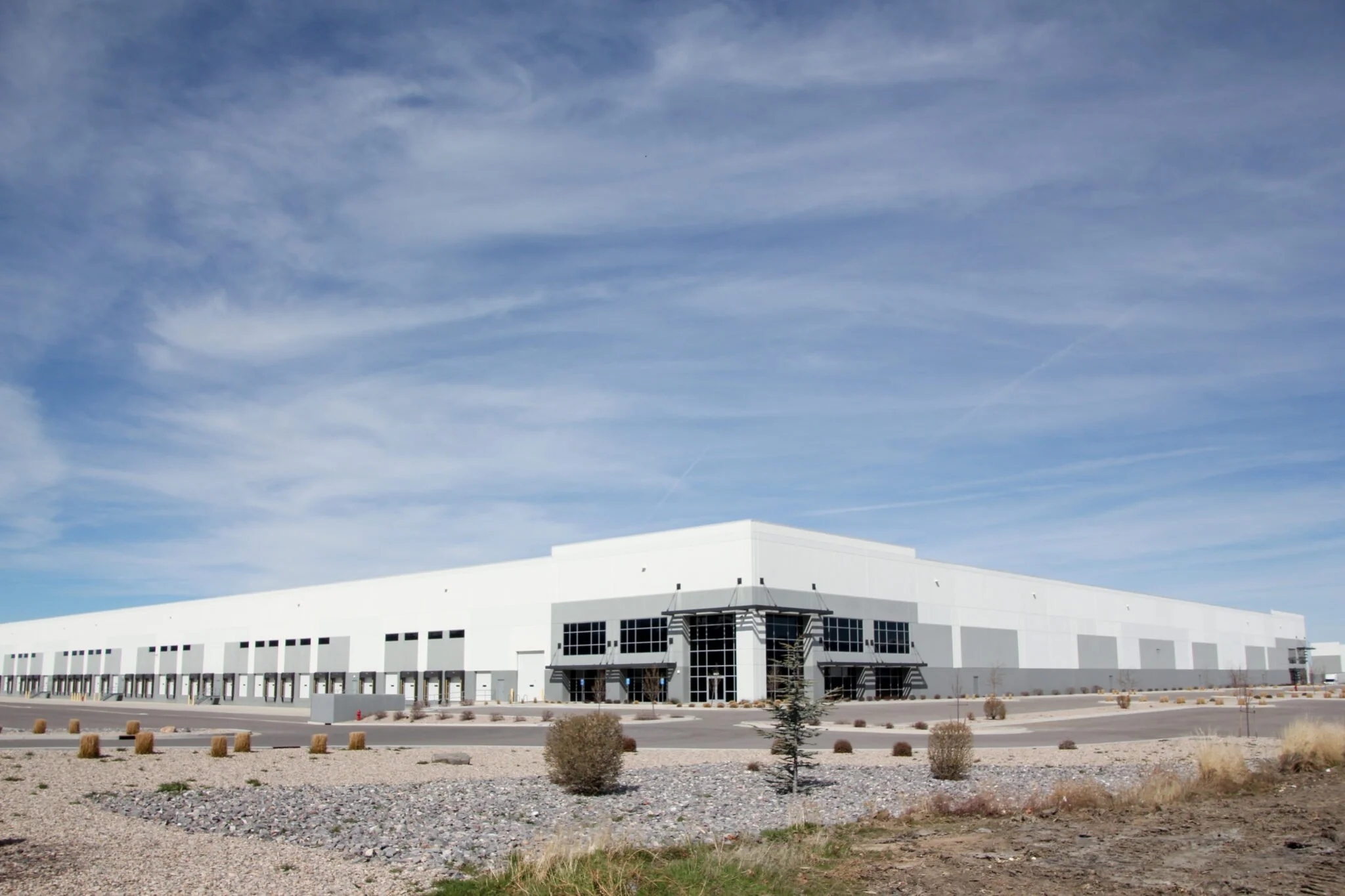
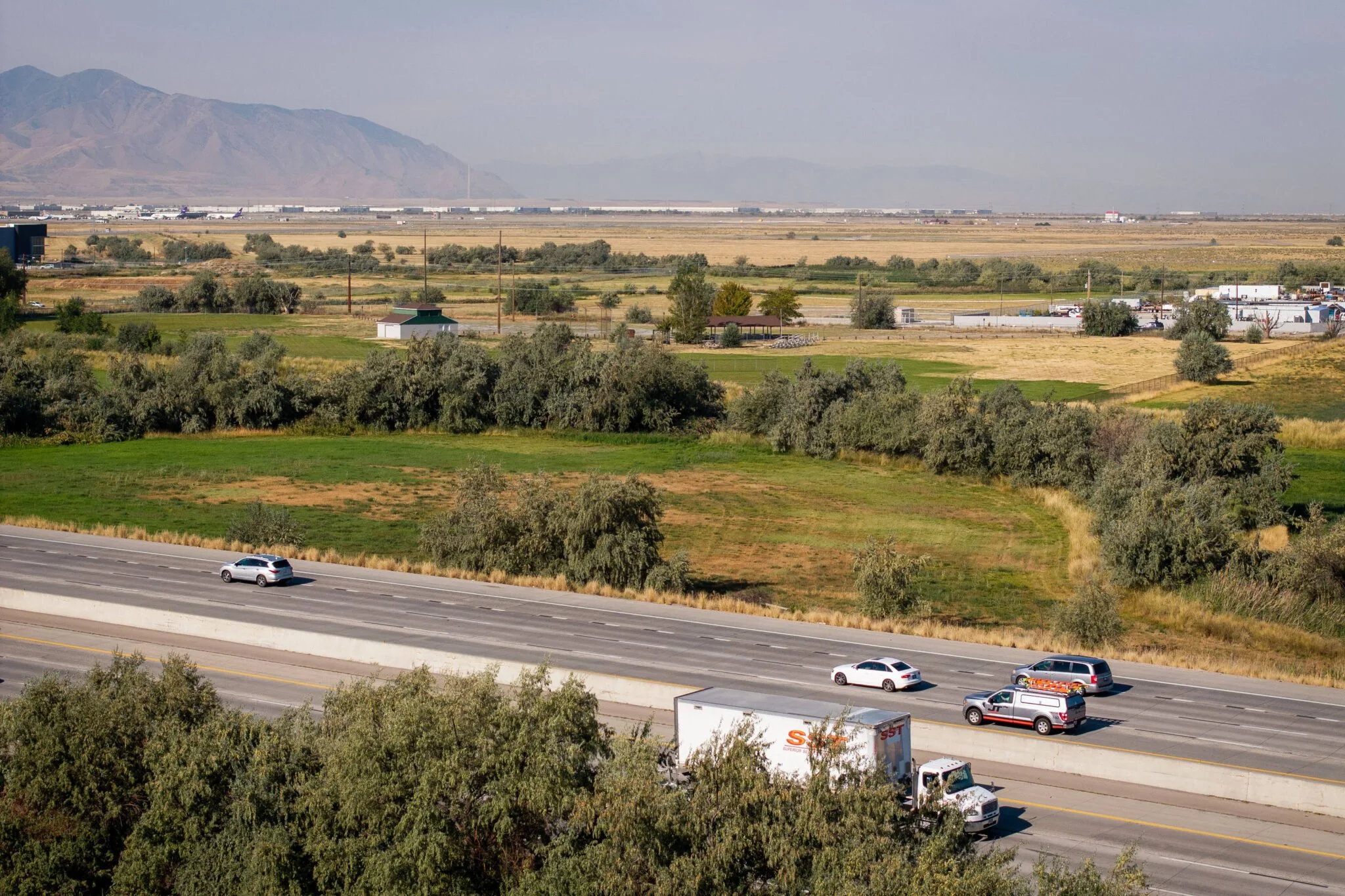
Salt Lake City and Salt Lake County sued the U.S. Department of Homeland Security Monday in an attempt to keep a massive warehouse on the city’s west side from transforming into a detention center that could hold up to 10,000 people.
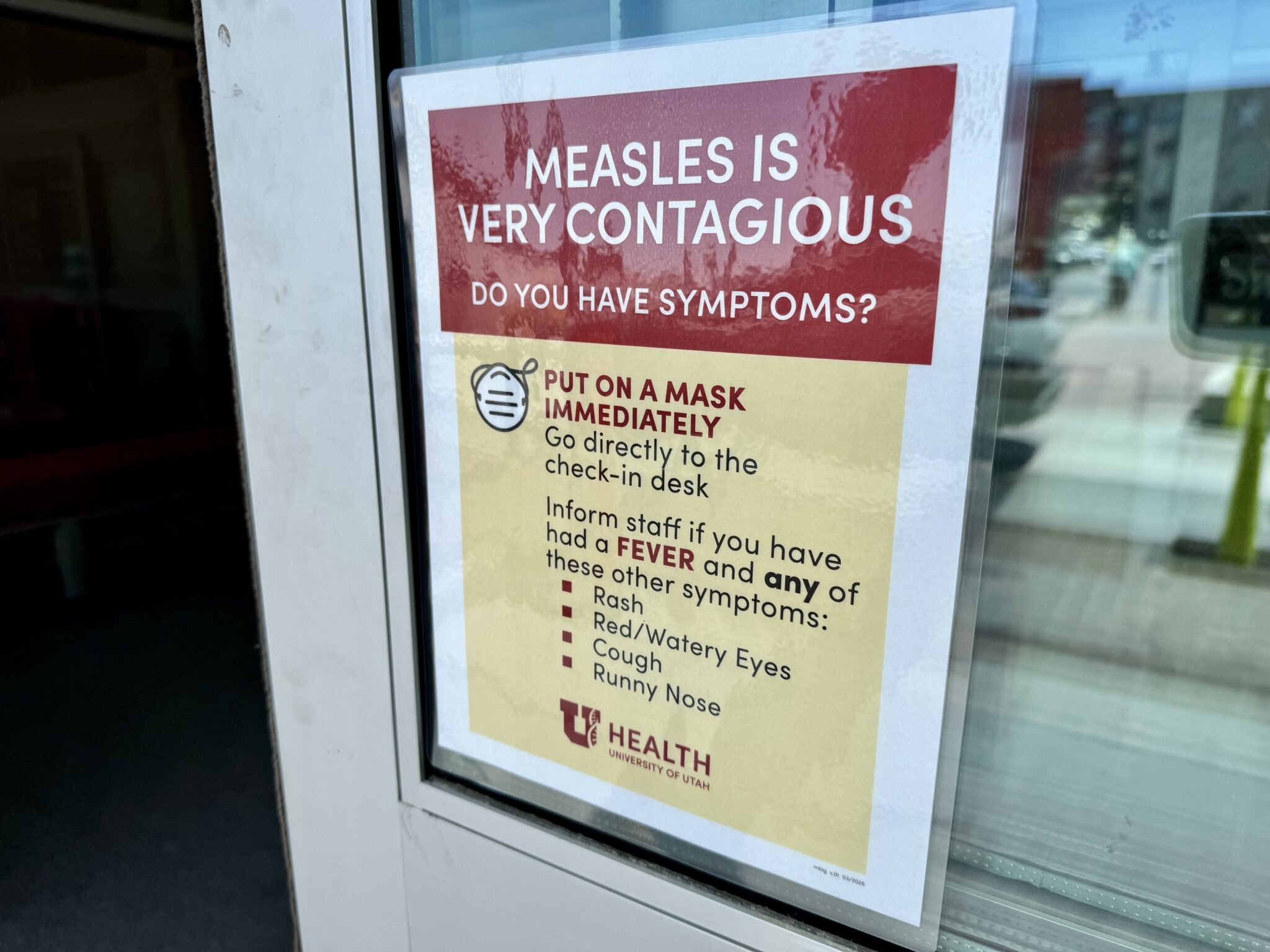
County and city leaders raised concerns Monday ranging from overtaxed city water and sewer systems to the potential spread of measles, air pollution, and a ramped-up police presence needed at the more than 830,000-square-foot building near the Salt Lake City International Airport.
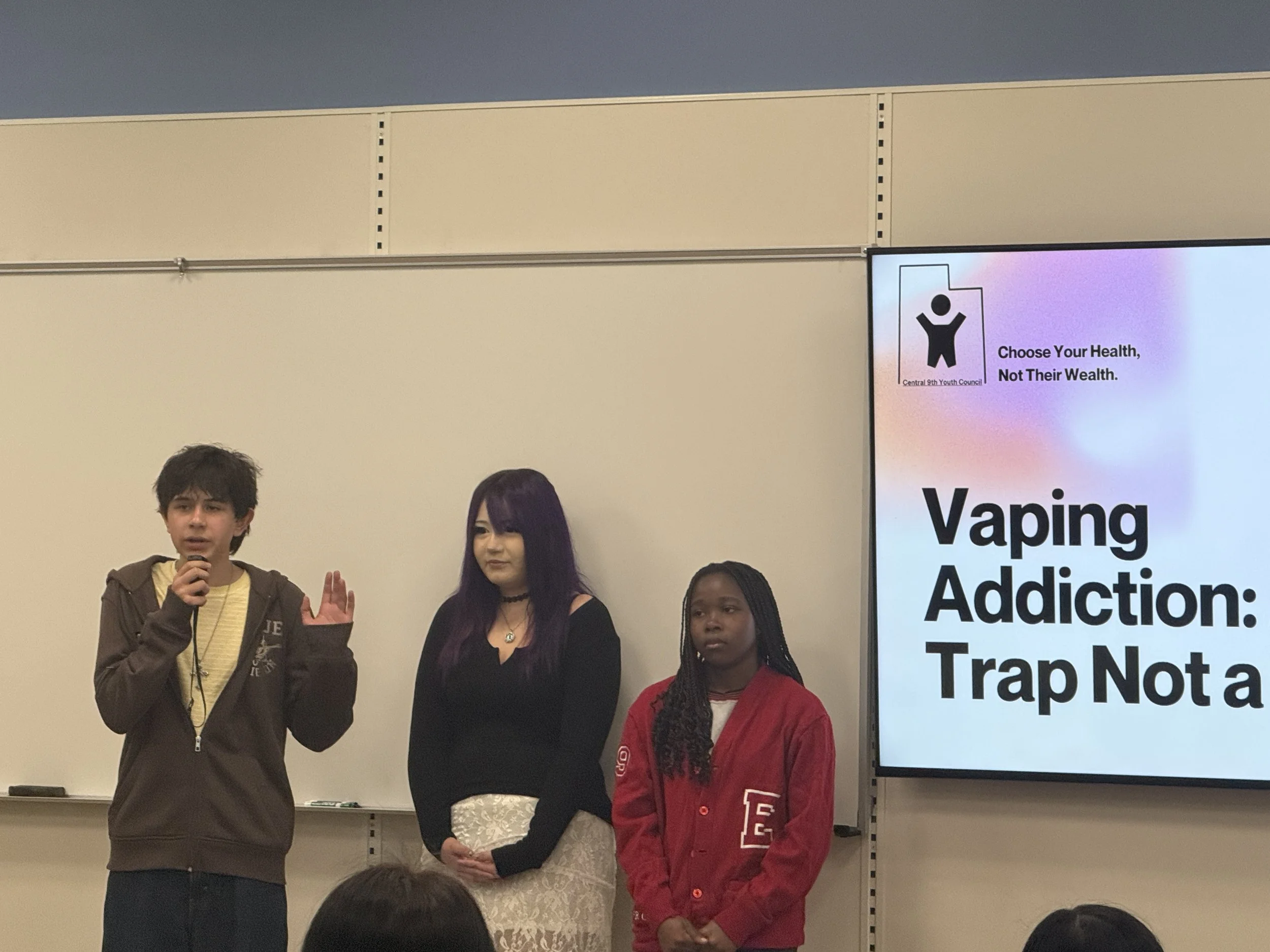
A group of youth on the Westside are coming together to help end a common trend among young people: illegal and dangerous vaping.
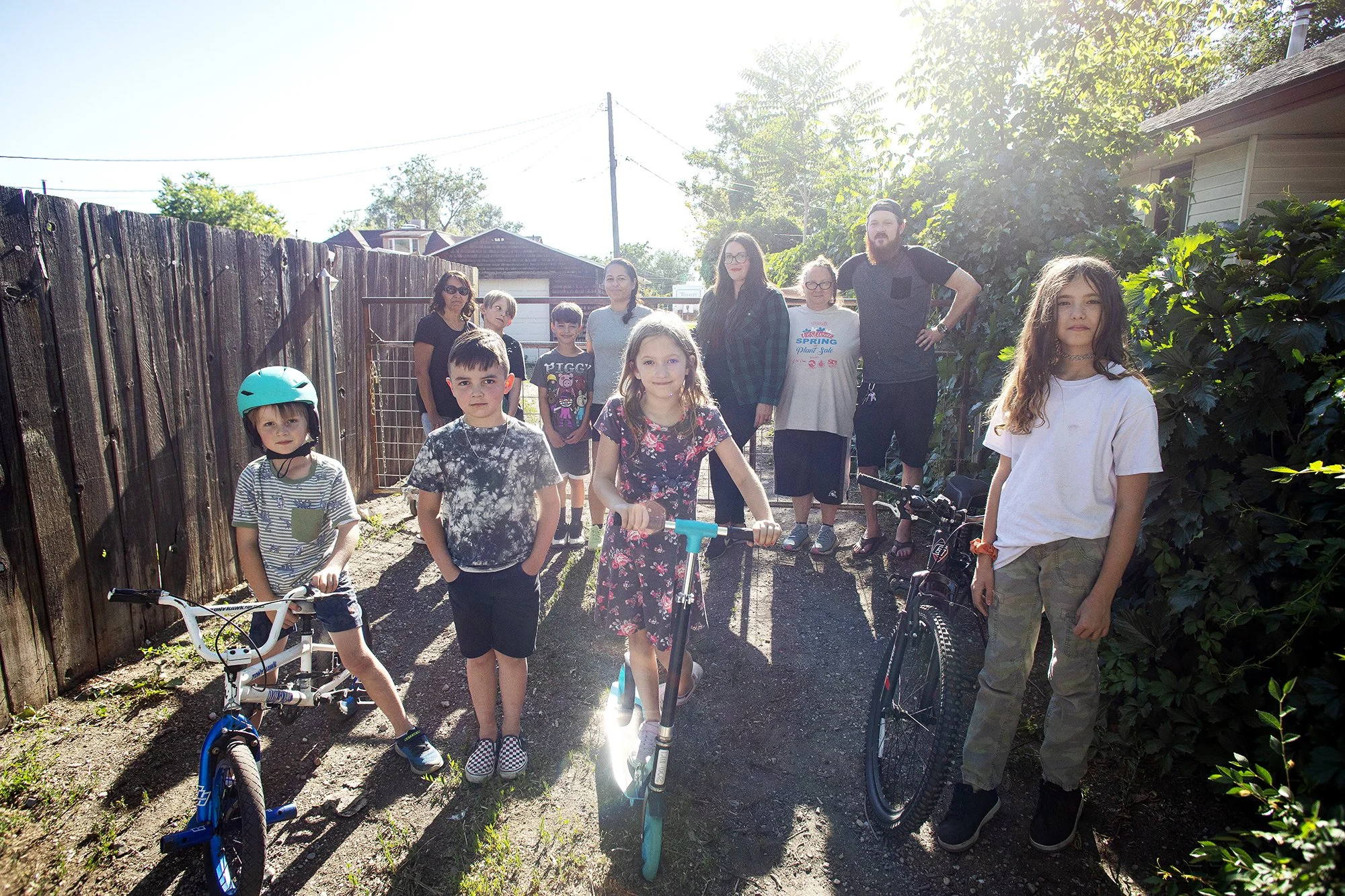
Applications are now open for Salt Lake City’s Love Your Block mini-grants, offering up to $3,000 in funding for community-driven neighborhood improvement projects. Residents, local businesses, and community organizations in Salt Lake City’s Westside neighborhoods — including Glendale, Poplar Grove, Fairpark, Rose Park, Westpointe, Jordan Meadows, and Guadalupe — as well as the Ballpark neighborhood are encouraged to apply between May 1 and May 31.
A new public safety partnership between the Utah Inland Port Authority and Salt Lake City will bring 12 additional police officers to the city’s Westside industrial and warehousing area.
A new national grant is set to expand access to safe and affordable banking for residents across Salt Lake City and surrounding communities.
NeighborWorks Salt Lake announced April 20 that it has been awarded funding from the Cities for Financial Empowerment (CFE) Fund, with support from the Wells Fargo Foundation, to strengthen its local “Bank On” initiative. The effort aims to connect residents — particularly those without traditional bank accounts — to reliable financial services.
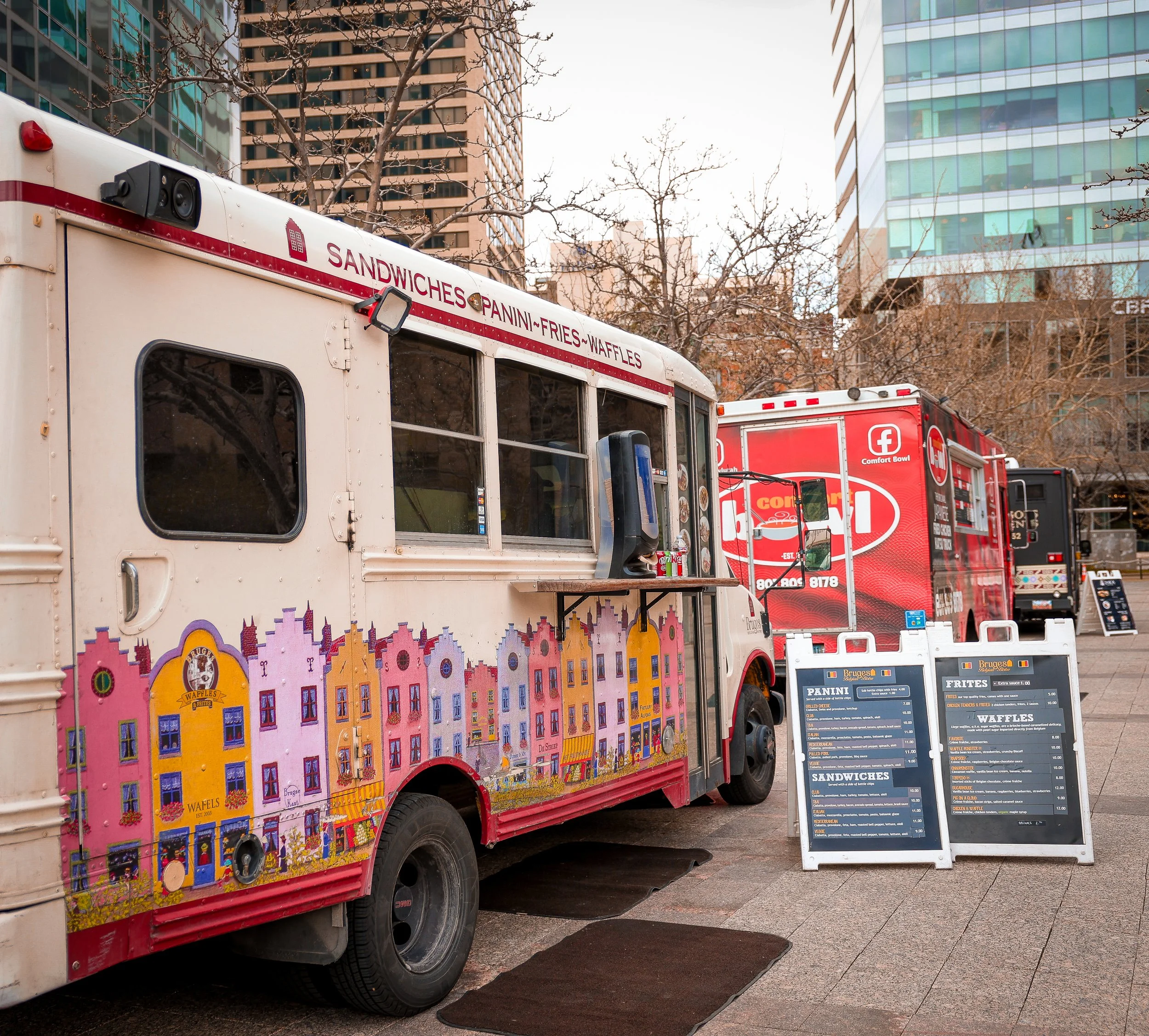
Food Truck League is coming to town and will set up shop at Glendale Regional Park, the former site of Raging Waters. Seven food trucks are scheduled to serve up delicious food from 5-8 pm every Thursday through the summer beginning on April 23rd.
Attendees will get a unique opportunity to sample food like pizza cones from the Pizza Cone Zone, Japanese fried chicken from Happy Tummie, and even Dole Soft Serve from Gnarly’s Island and Treats. And the best part is that it’ll all be in one convenient spot.
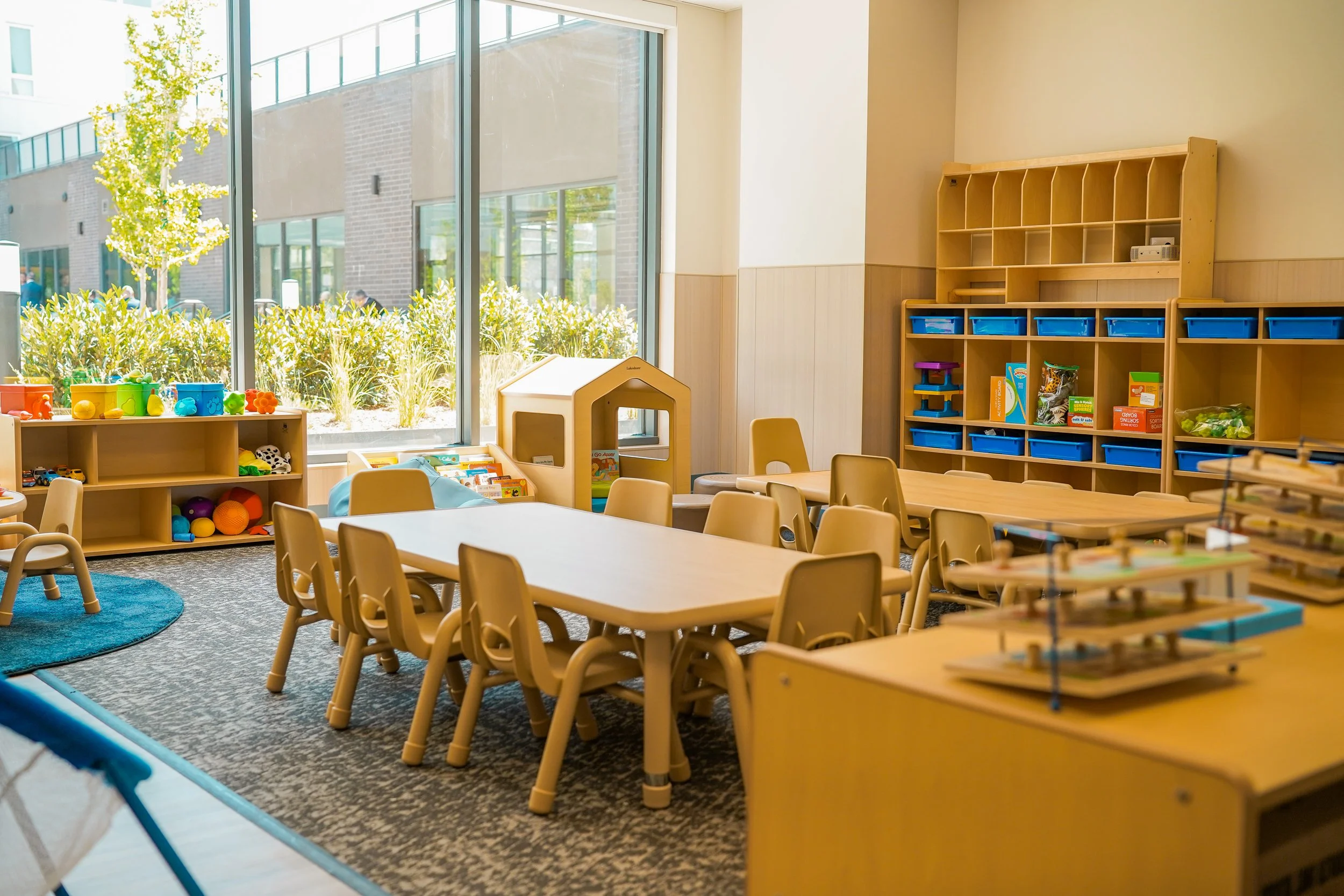
A new early childhood classroom is now open at SPARK Apartments, expanding access to care for some of the community’s youngest residents.
Neighborhood House recently launched its second classroom at the site, marking the first time toddlers are being served there through an Early Head Start partnership with DDI Vantage. The addition is aimed at helping families access affordable care closer to home while supporting children during a key stage of development.
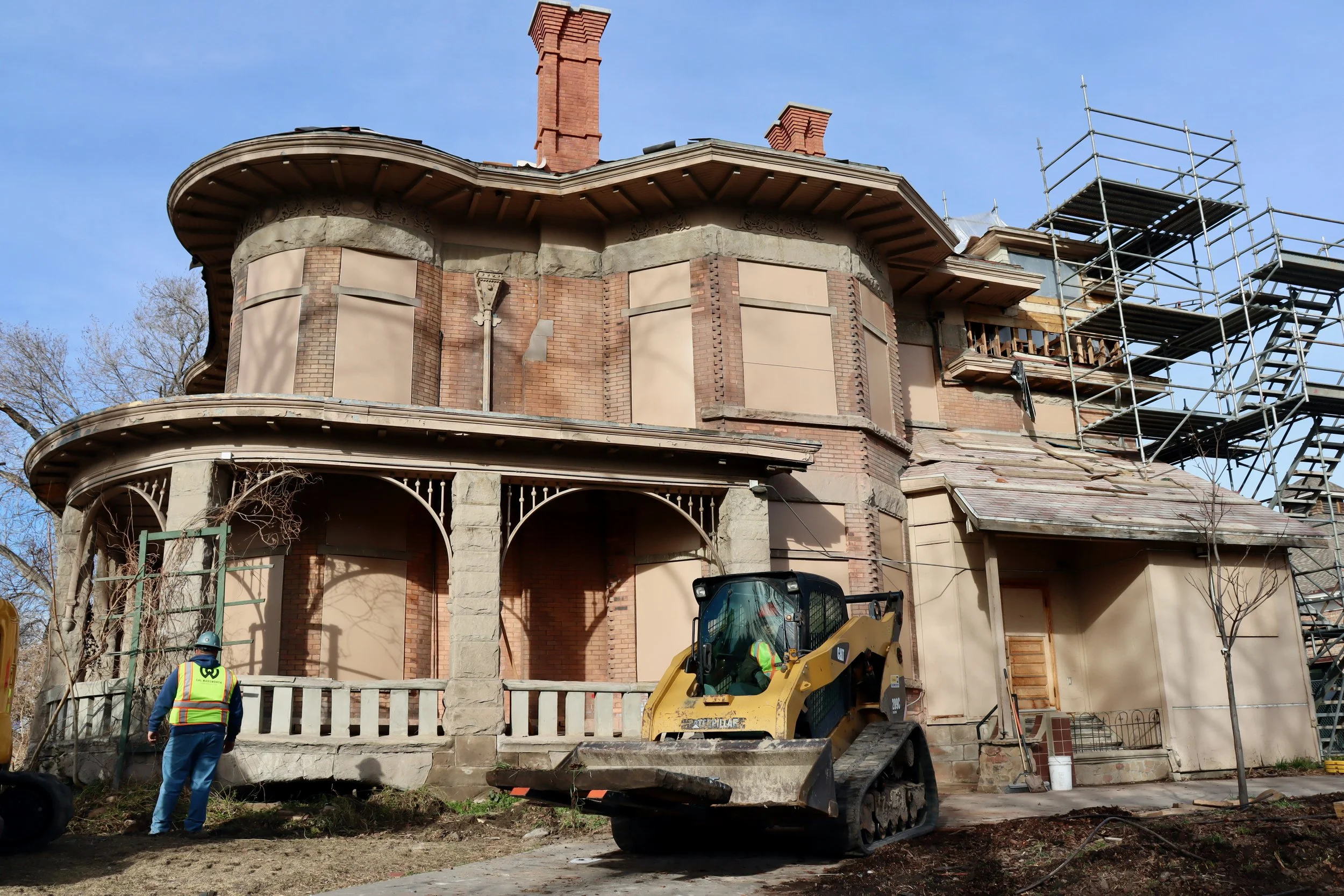
For years, the Fisher Mansion has stood behind boarded windows and fencing, raising questions for Westside residents and users of the Jordan River Trail about what is happening on site currently and what the future of the property may hold for the surrounding community.
As multiple city departments continue to care for and plan around this historic site, Westview Media connected with city staff and conducted a site visit to better understand the current condition of the property, the work being done to protect it, and how future planning could shape the mansion’s role in the community.
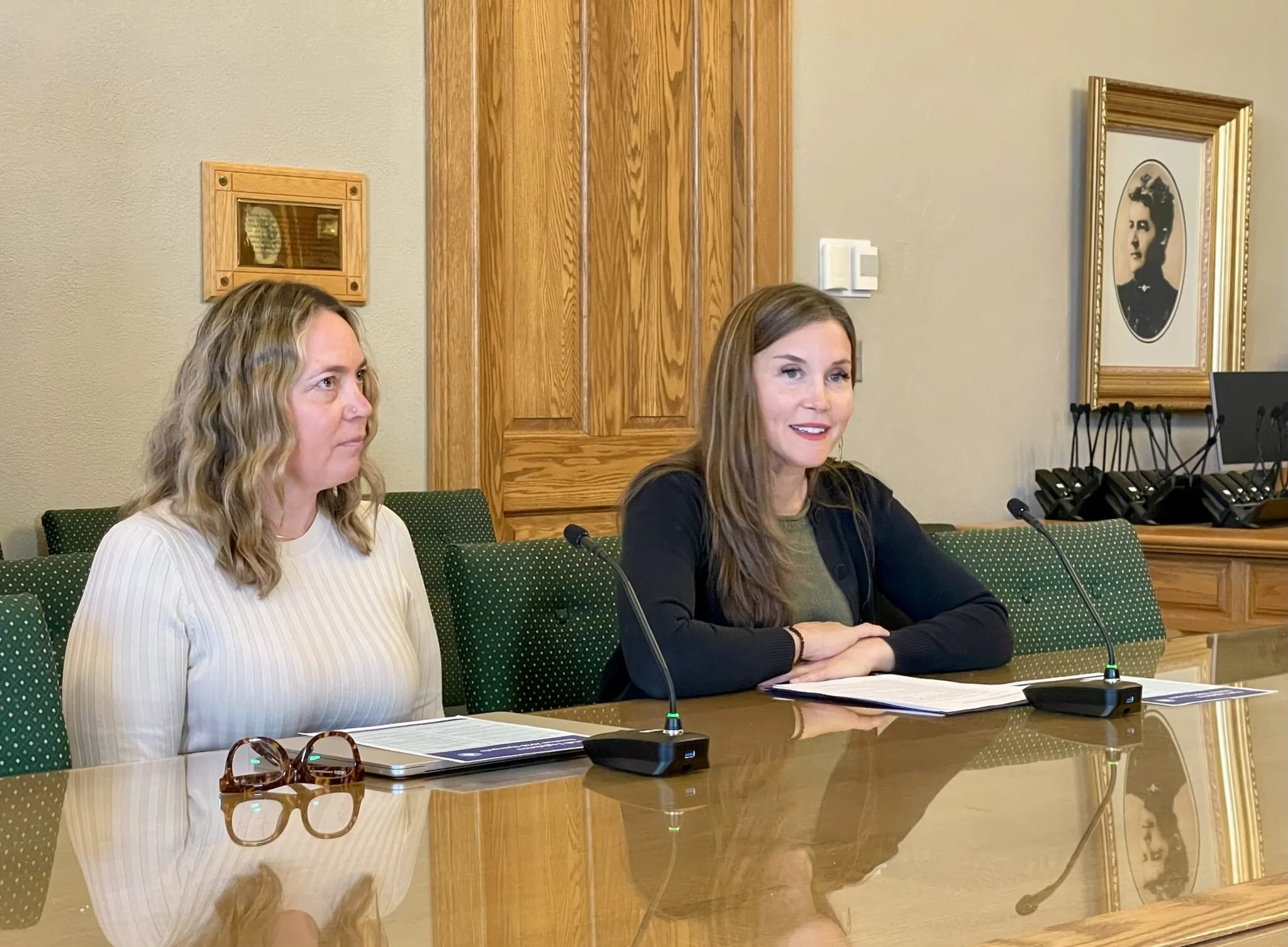
Compared to a year ago — when Salt Lake City Mayor Erin Mendenhall expressed concerns that Utah lawmakers’ appetite to “control” the state’s capital city had grown to a new “punitive” level — this year’s session was starkly different.
“I can say without a doubt, this is one of the most productive legislative sessions that we’ve had as far as our relationship goes with state legislators,” Mendenhall told reporters during a news conference at City Hall on Wednesday focused on unpacking the session’s impact on Salt Lake City.
She and Angela Price, the city’s legislative affairs director, said this year’s session was largely underscored by bills that didn’t pass.
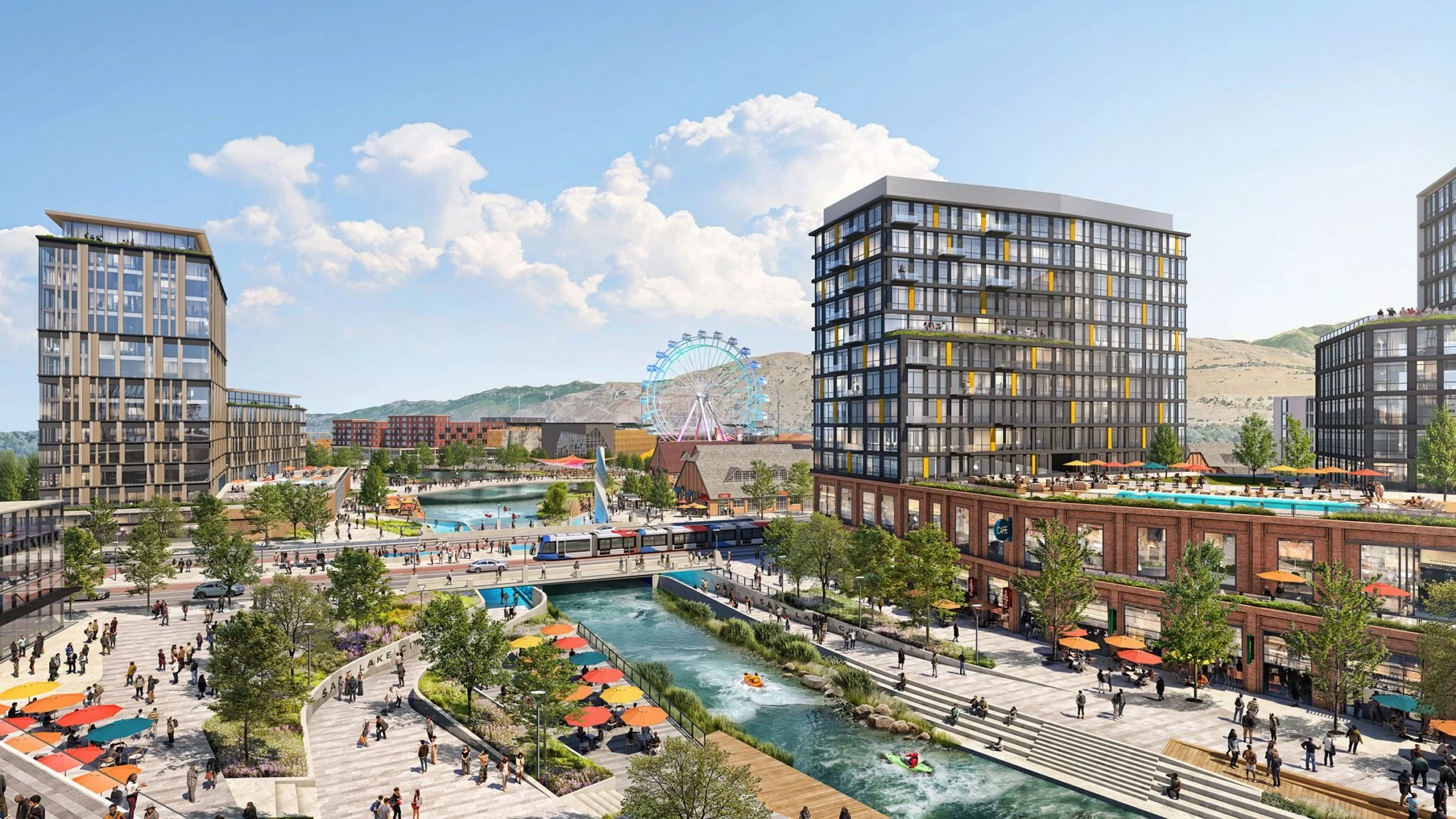
“At the Larry H. Miller Company, we believe the Jordan River should not be the back door of development. It should be the front porch of the community,” said CEO Steve Starks during a gathering at the river on February 26, 2026.
During the event, Larry H. Miller Real Estate announced plans to restore and activate a half‑mile stretch of the Jordan River—positioning it as the foundational feature of the 100+ acre Power District on Salt Lake City’s west side. The company also introduced Field Operations—the internationally acclaimed landscape architecture firm behind New York City’s High Line, Seattle's Waterfront Park, San Francisco’s Presidio Tunnel Tops, and Brooklyn’s Domino Park—as the lead landscape architect and designer for the riverfront restoration.

On the evening of Tuesday, March 17, neighbors across Salt Lake City’s Westside will head to schools, libraries, and community buildings for one of Utah’s most unique political traditions: caucus night.
In neighborhoods like Rose Park, Glendale, Poplar Grove, and Fairpark, the meetings are often small — sometimes just a few dozen people gathered in a classroom or cafeteria. But what happens there can shape which candidates appear on Utah ballots later in the year.
Utah uses what’s known as a caucus-and-convention system to nominate candidates for office. Instead of relying only on a primary election, the process begins with neighborhood meetings where residents elect delegates to represent their precinct. Those delegates later attend county and state conventions, where they vote on which candidates move forward in the election process.
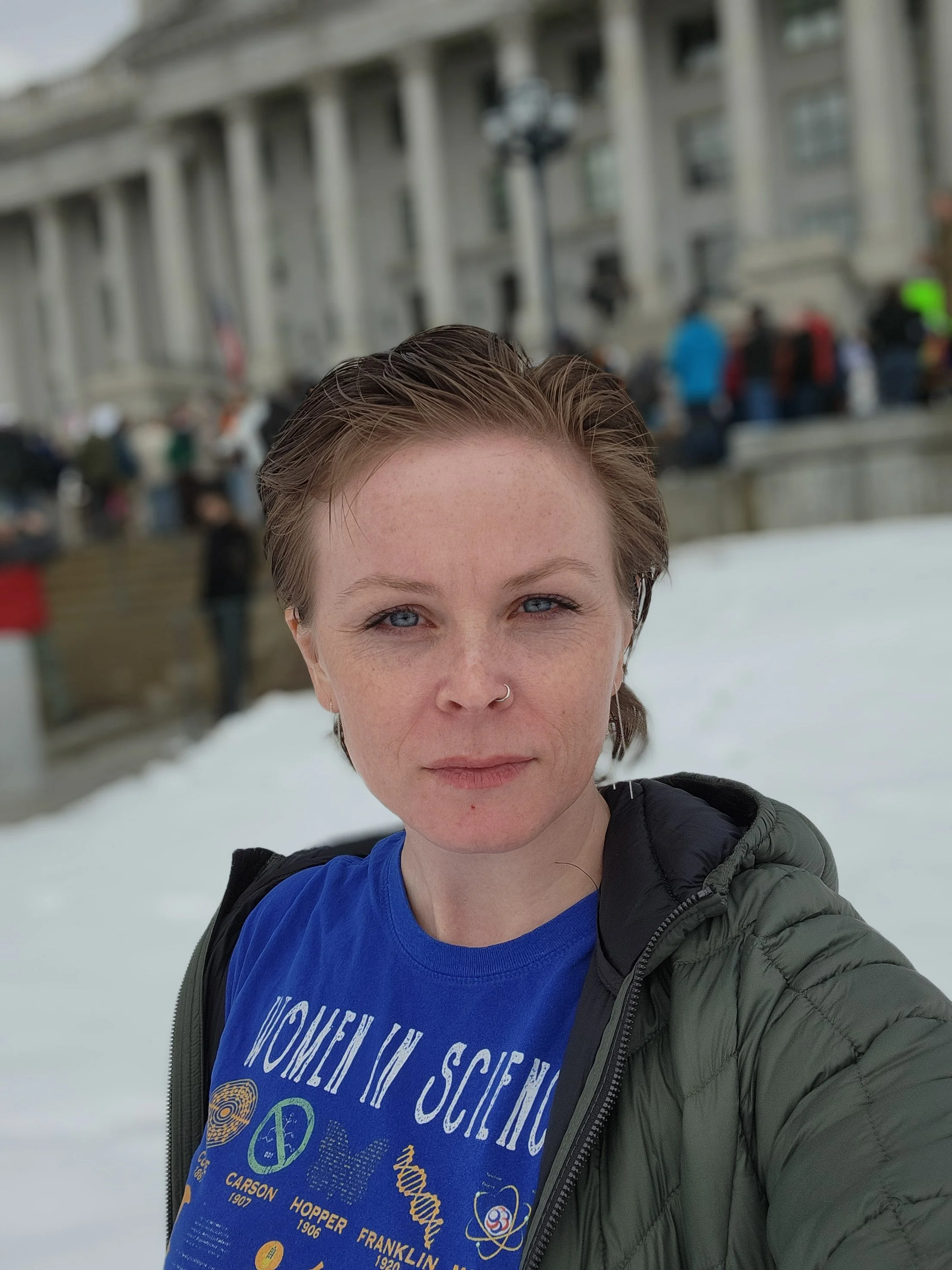
After spending the last several years helping in various capacities on the Glendale Community Council, Jennifer Madrigal has stepped into the role of council chair.
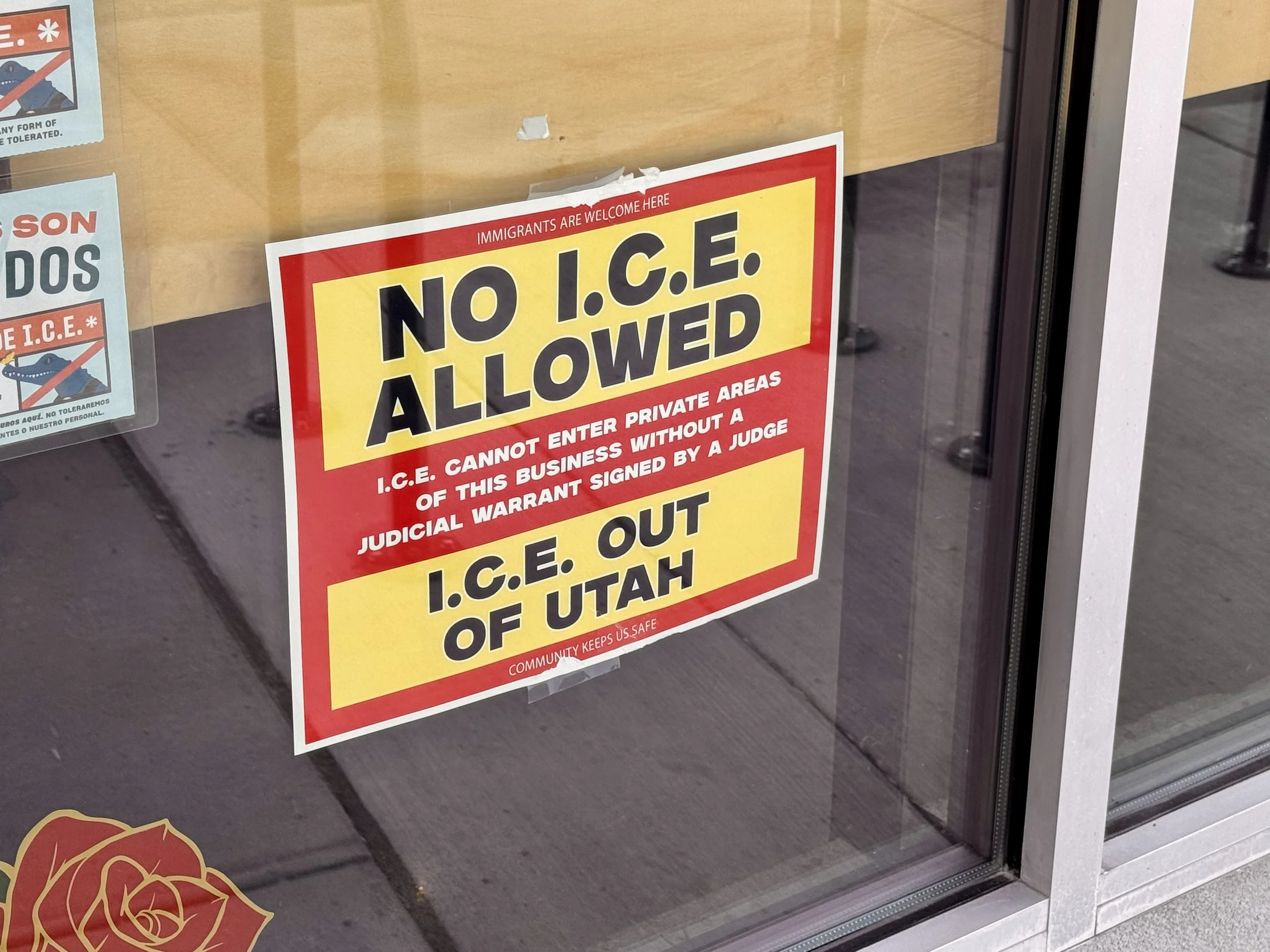
If you’ve walked down the streets of the Westside recently — visiting a local business or shop — you may have noticed red and yellow signs on windows and doors reading “No ICE Allowed” or “ICE Out of Utah.” At first look, they may seem like simple statements. But each sign represents an act of solidarity, community organizing, and resistance — all rooted in the real fear that many immigrant families are facing every single day.
The 2026 legislative session has officially begun — the Utah Senate and Utah House gaveled in at the State Capitol on January 20th — and lawmakers hit the ground running. Many spent months preparing ahead of time, finalizing bills, educating themselves on issues, and meeting with their constituents.
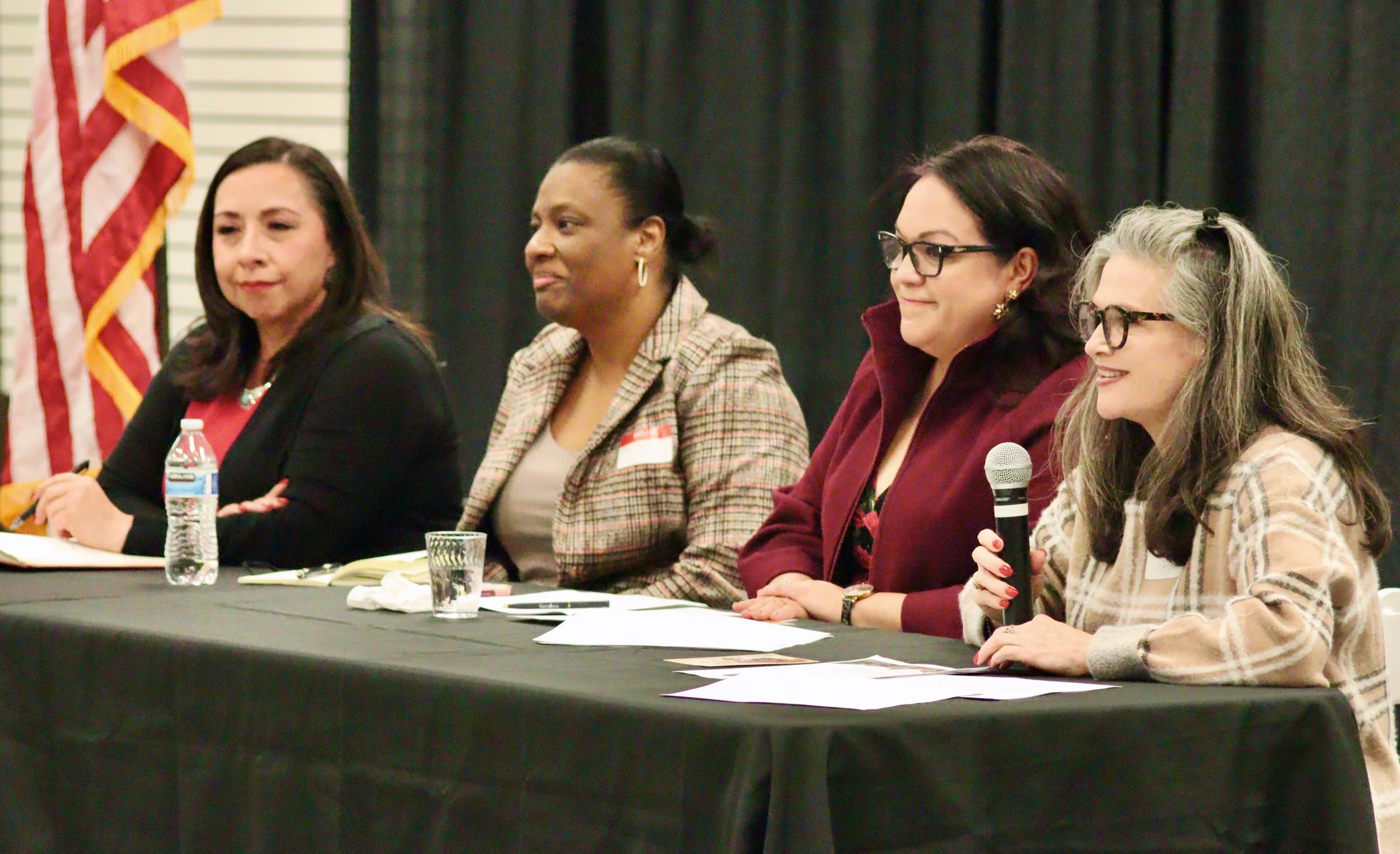
Ahead of the session, state lawmakers who represent the Westside came together for a Q&A session with locals. The event, hosted by Westside Coalition and catered by All Chay, took place at the State Fairpark earlier this month.
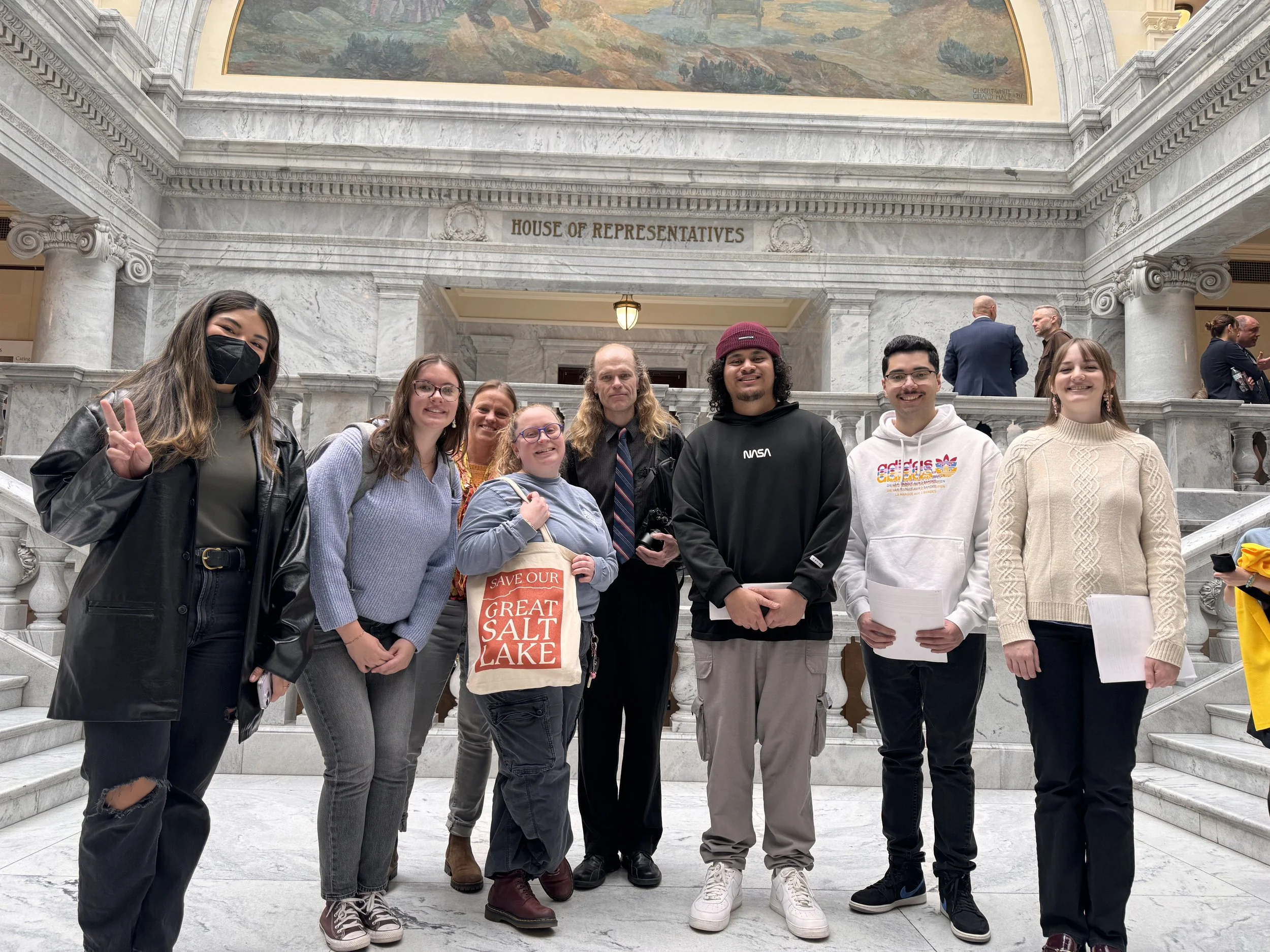
Salt Lake City’s Westside residents are watching a new partnership grow between the Westside Coalition (WSC) and the Healthy Environment Alliance of Utah (HEAL). At their November board meeting, the WSC confirmed HEAL as an advisor to help educate and train community members on how to effectively participate in the upcoming legislative session.
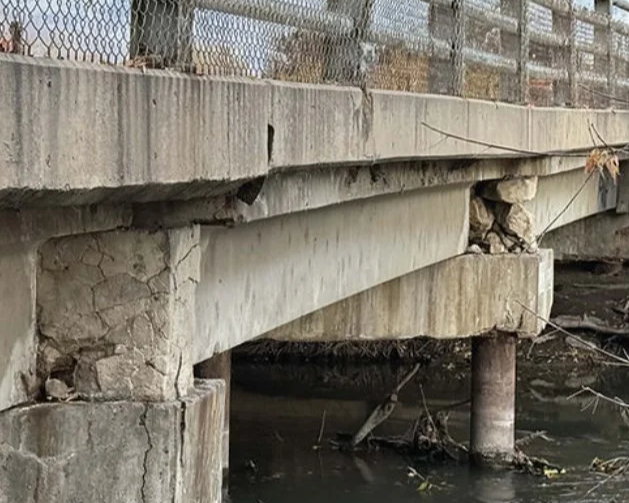
Motorists traveling through Salt Lake City’s Rose Park neighborhood will face a new detour for the next several months as the 600/700 North bridge over the Jordan River is rebuilt.
The bridge closed Monday, January 5, for demolition and a complete reconstruction and is expected to remain closed through June 2026.
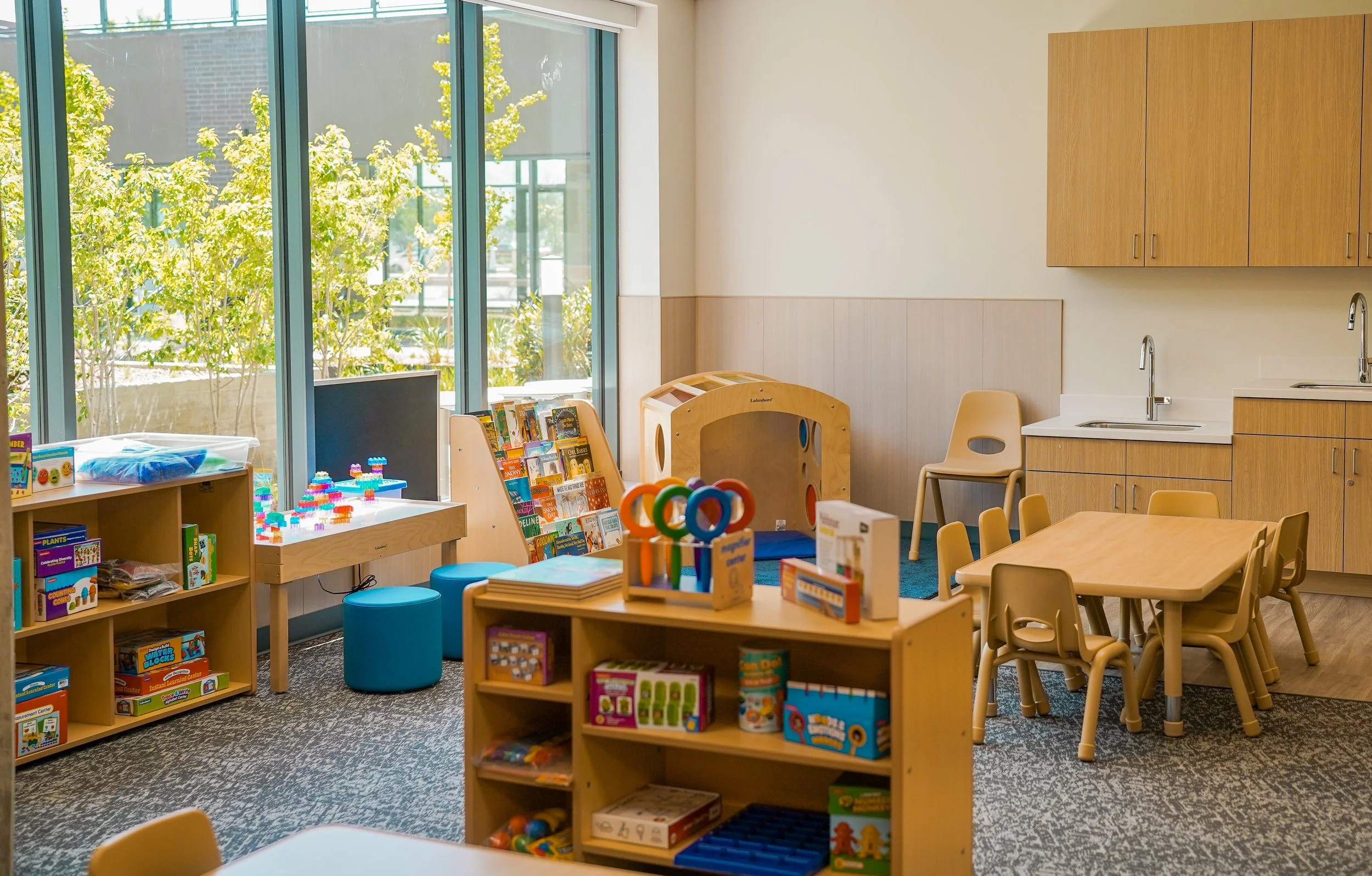
A new satellite daycare center has opened its doors at the SPARK apartment complex on North Temple, bringing affordable, high-quality childcare to local families and residents. Operated by Neighborhood House, this center is part of an innovative partnership that combines affordable housing with accessible daycare — a model that Executive Director Jennifer Nuttall calls “the right solution at the right time.”
On a gray Saturday in September, Jess John led a group of seven people along the shores of the Jordan River looking for birds. As she used a laser pointer to direct the group’s attention to various birds and noted their calls, Estrella Segovia repeated the information in Spanish.
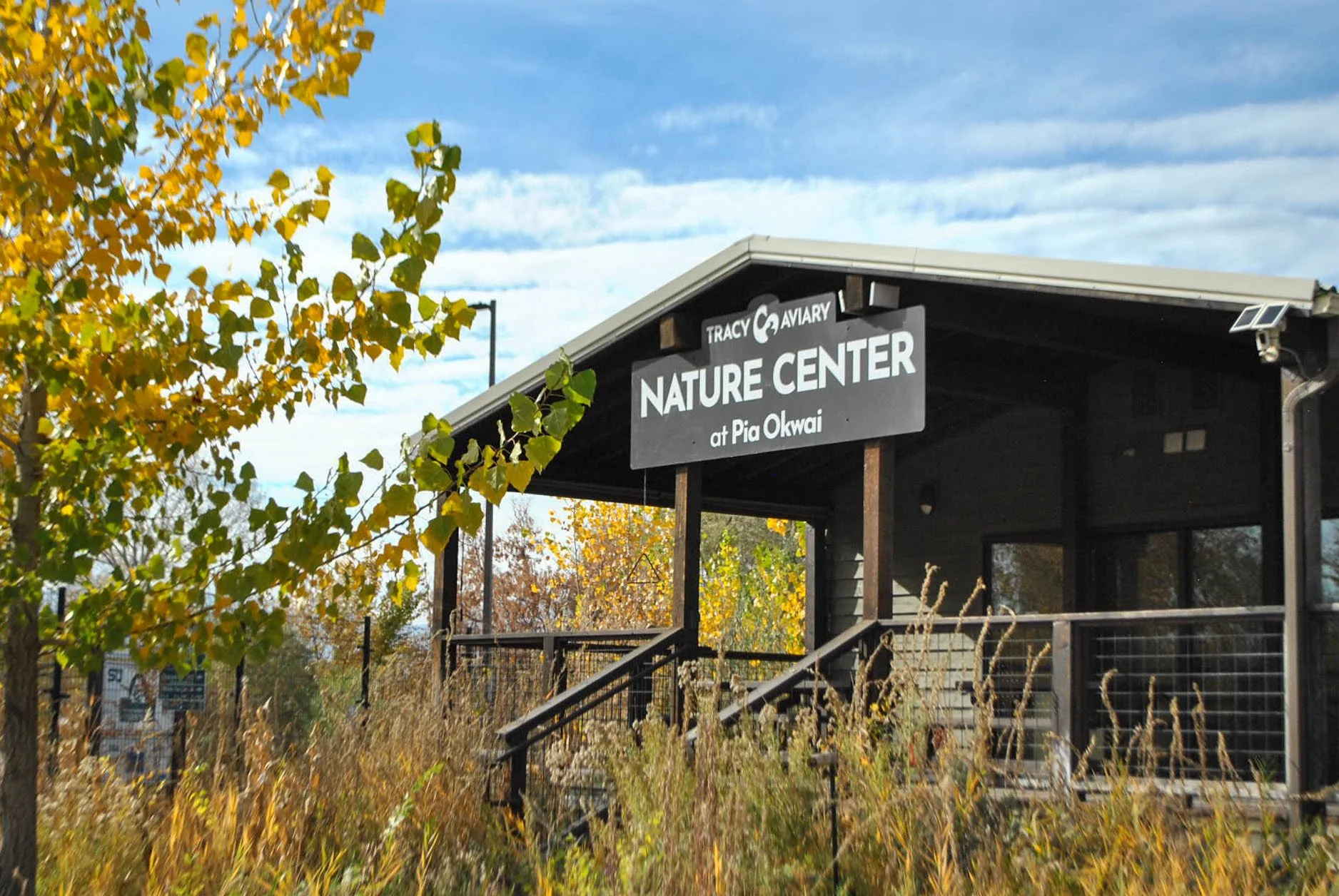
Tracy Aviary’s Pai Okwai Nature Center, 3310 S. 1000 W. in South Salt Lake, hosted the bilingual bird walk during Latino Conservation Week, a first step in its effort to reach out to residents in western Salt Lake County. The nature center is currently working on translating into Spanish descriptions for its exhibits and posters detailing common birds in the area, as well as including indigenous names of wildlife on labels. In fact, the nature center adopted the indigenous name for the Jordan River, Pai Okwai.
“Having the indigenous names be highlighted and prioritized, I think, is very important to recognizing just how long these bird species have been here,” said John, the tour leader. “That they've been here significantly longer than most of us have alongside our indigenous communities.”
The bilingual bird-watching tours launched a few years ago as a pilot program and have continued annually, said John, a conservation outreach ecologist.
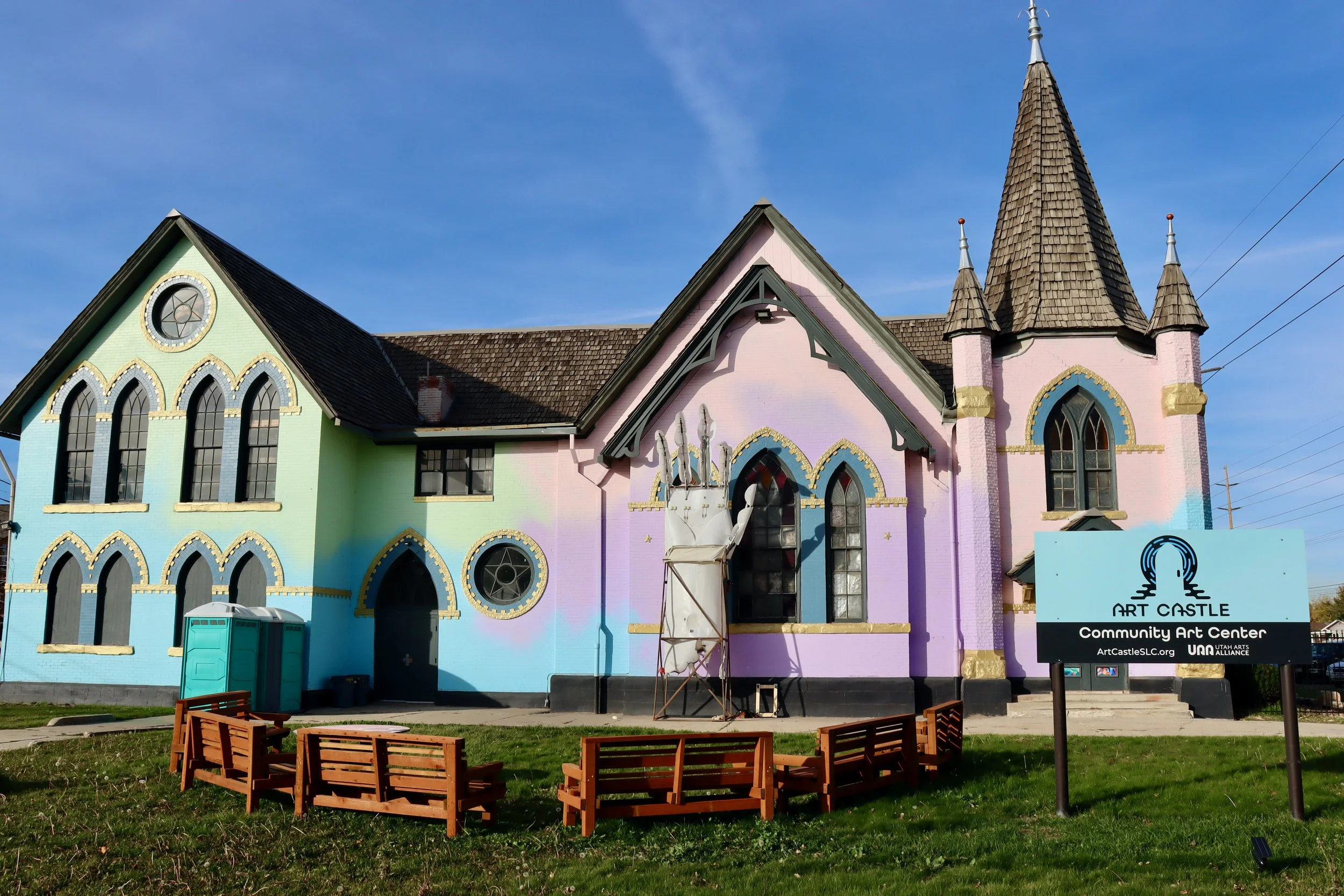
On Salt Lake City’s Westside, a 125-year-old landmark is entering a new chapter. The Art Castle, formerly the historic 15th Ward Chapel for The Church of Jesus Christ of Latter-day Saints, has long stood as a symbol of the neighborhood’s layered history. Built in 1900, the Victorian Gothic revival structure has served as a chapel, a playhouse, and — most famously — a world-renowned recording studio used by artists such as Dolly Parton, Elton John, BB King, and Eminem. Now, thanks to the Utah Arts Alliance (UAA), the building is being transformed into a center for creativity, community, and cultural preservation.

When Poplar Grove resident and researcher Nan Weber began looking into the history of her own neighborhood, she wasn’t expecting it to turn into a decade-long endeavour. But one building — an out-of-place mansion near the Jordan River — caught her attention and eventually pulled her into the life and work of one of Utah’s most influential architects: Richard Karl August Kletting.
Weber’s work later became a major contribution to Richard K.A. Kletting: Utah Architect and Renaissance Man, written with preservation architect Alan Dale Roberts, FAIA. But the project started much smaller — with simple curiosity.
“I bought my little frame house, which was [built in] 1902,” Weber said. “And I was really curious about the workers that worked in all these single-dwelling homes. Then I came across the Fisher Mansion… and I thought, well, this is really different than the rest of the architecture here.”
From that point on, Weber was hooked.
“Your privilege is showing. We can all feel it!” Leslie Patino shouted as she left a public comment portion of the Salt Lake County Council meeting on Tuesday, November 4th. A daycare teacher at Northwest Recreation Center and resident of West Valley, Patino was one of dozens of parents, staff, elected officials, and concerned community members who packed the council chambers that day.
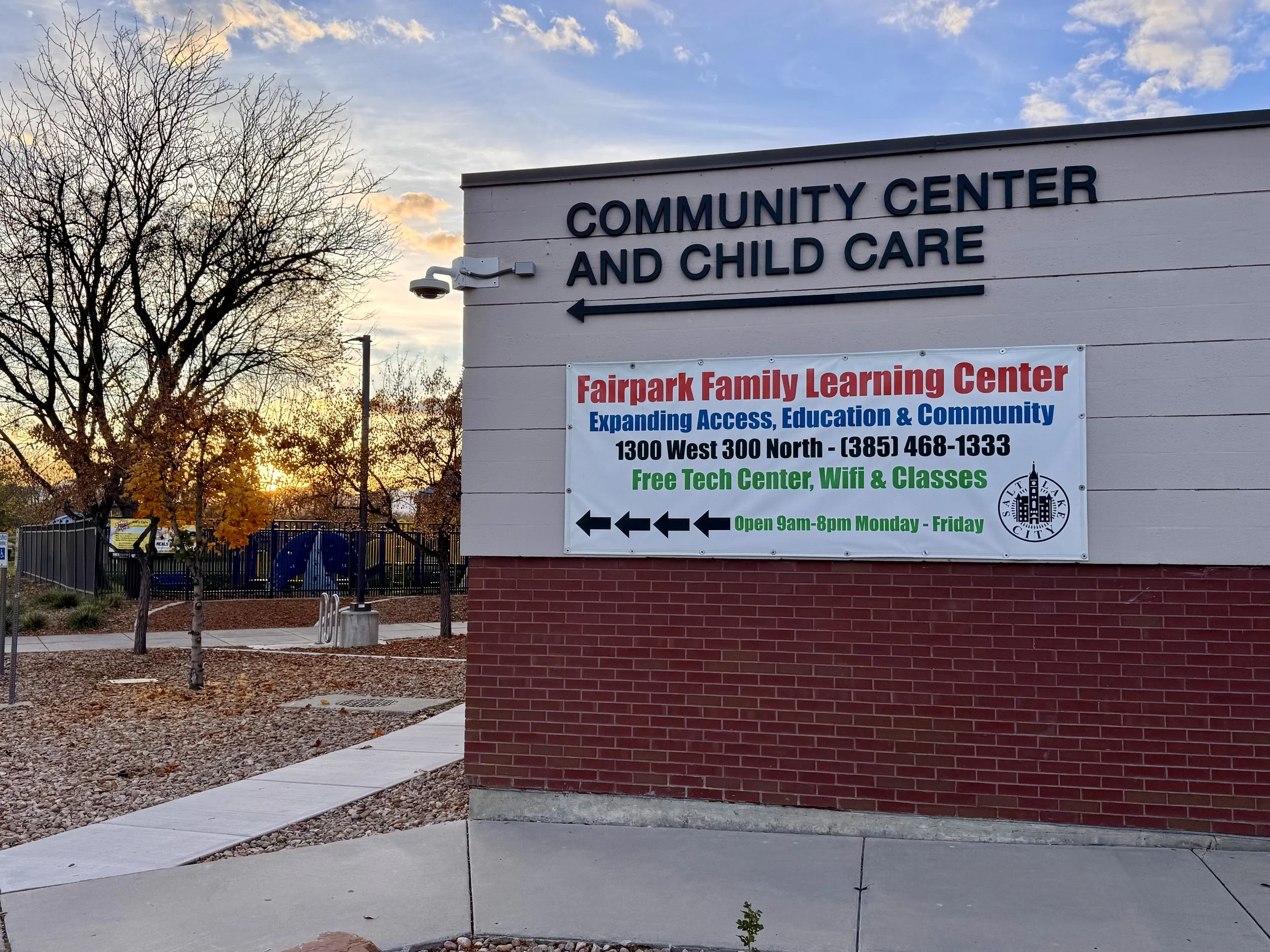
The large turnout was in response to the council’s 5-4 Republican party-line decision the week before to abruptly close four county-run daycares in Kearns, Magna, Salt Lake’s Fairpark neighborhood, and Millcreek by December 31, 2025. Roughly 250 to 300 families will be directly impacted by the closure.

Residents living on Salt Lake City’s Westside now have the ability to receive official air quality alerts for their specific neighborhoods. That’s according to recent updates from local air quality monitoring agencies.
The alerts bring attention to the elevated pollution, confirming what many residents have long observed and known: the air can often be worse on the Westside compared to other parts of the valley.

Amid a scene of bulldozers, backhoes, dirt mounds, and golden shovels, city, state, and business leaders braved the rain and cold temperatures for the groundbreaking of the first new building at The Power District.
On October 27th, local leaders and representatives for the Larry H. Miller Company, which owns the 100-acre property at Redwood Road and North Temple, broke ground for a new 10-story building that will house the new corporate headquarters for Rocky Mountain Power. The 300,000-square foot campus will replace the existing structure nearby, a 1951 building originally built for Utah Power, the precursor to Rocky Mountain Power.
Ballots for the 2025 Municipal General Election have been sent out. Leading up to the election, many candidates have made themselves available for questions and public input.
In our constitutional republic, it’s crucial to participate in elections. Part of participating means learning about each candidate and their priorities, which candidates often provide opportunities to do. Nearly every Westside neighborhood was represented at one such opportunity — the Westside Forum: Candidates and Community Conversations event held on September 30. It was organized by The West Side Coalition and League of Women Voters.
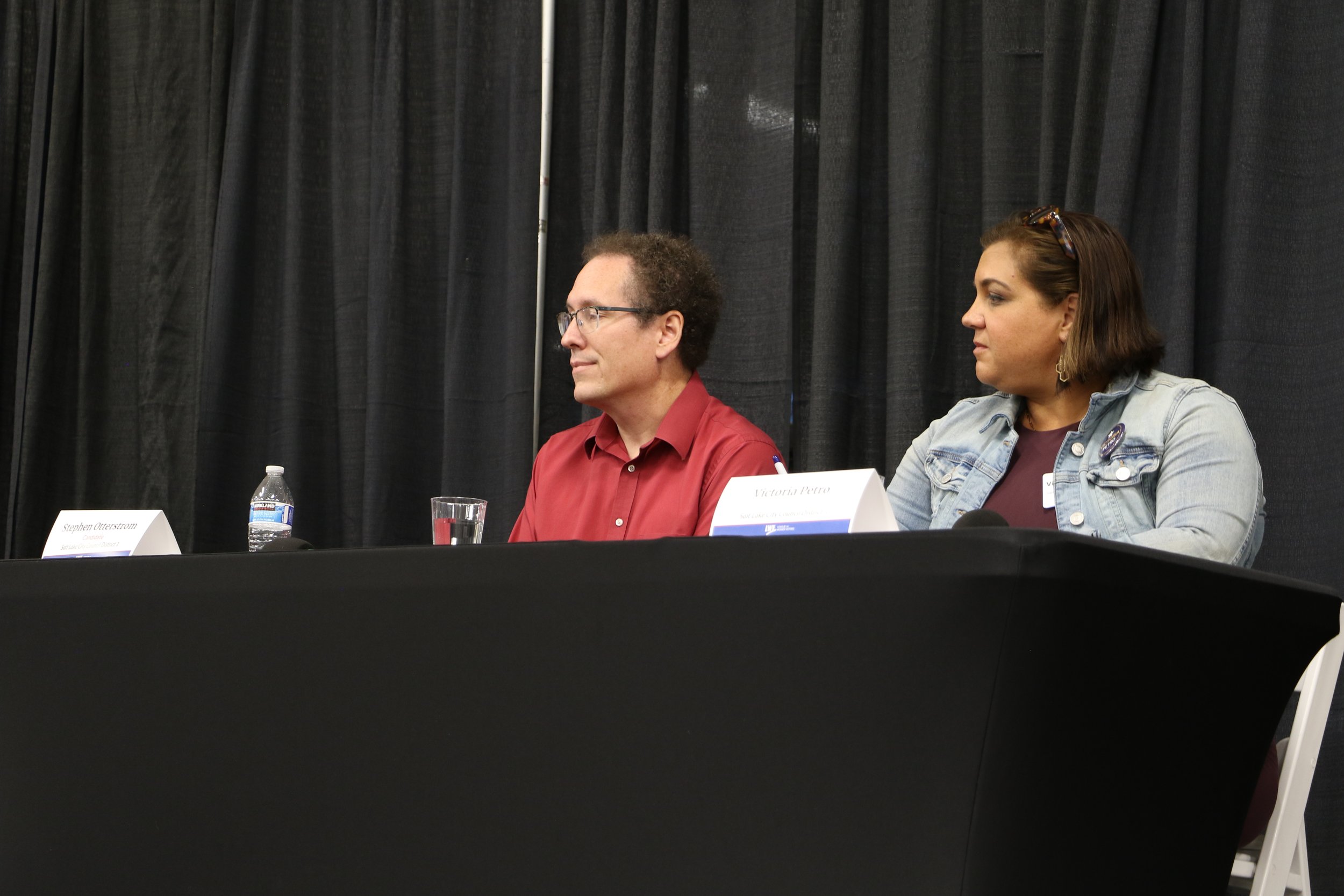
Two of the three candidates running for District 1 participated in a lively panel discussion centered around key issues affecting the Westside. Prior to the panel, members of the community engaged in roundtable conversations about various issues and concerns from Westside residents, and were also able to speak directly with two people running to represent District 1: incumbent Victoria Petro and challenger Stephen Otterstrom.

For the first time in more than a century, West High School — Utah’s oldest high school — will leave behind its historic brick building and move into a $300-million modern campus across 300 West.
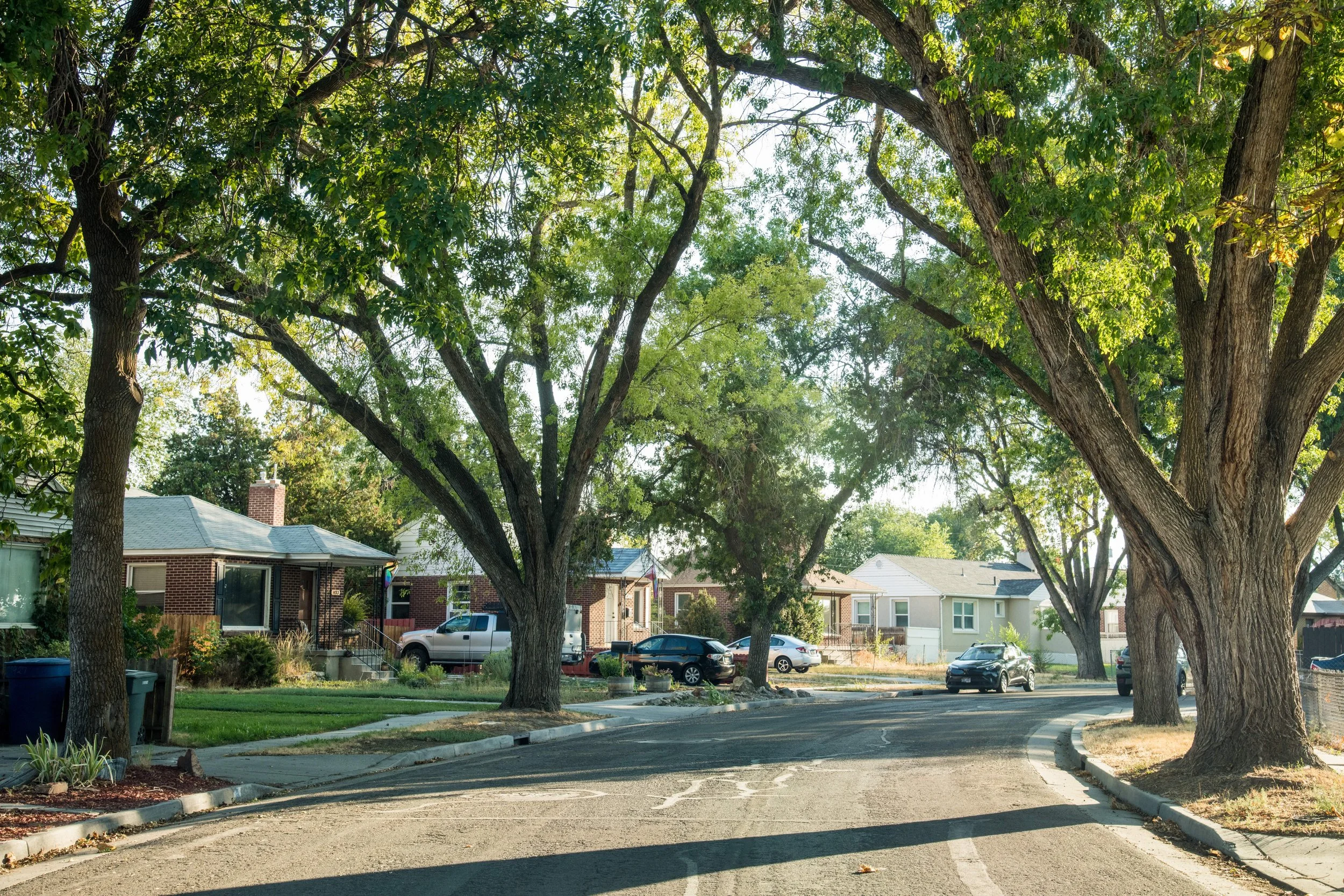
Urban trees offer vital benefits to our community, such as conserving energy by cooling buildings and streets with shade, providing animal habitats, and filtering the air. However, in Salt Lake City's arid climate, trees don't thrive naturally. This creates a dilemma: keeping our urban forest healthy requires property owners to irrigate, which often feels contradictory to our necessary efforts to conserve water by cutting back on yard watering.
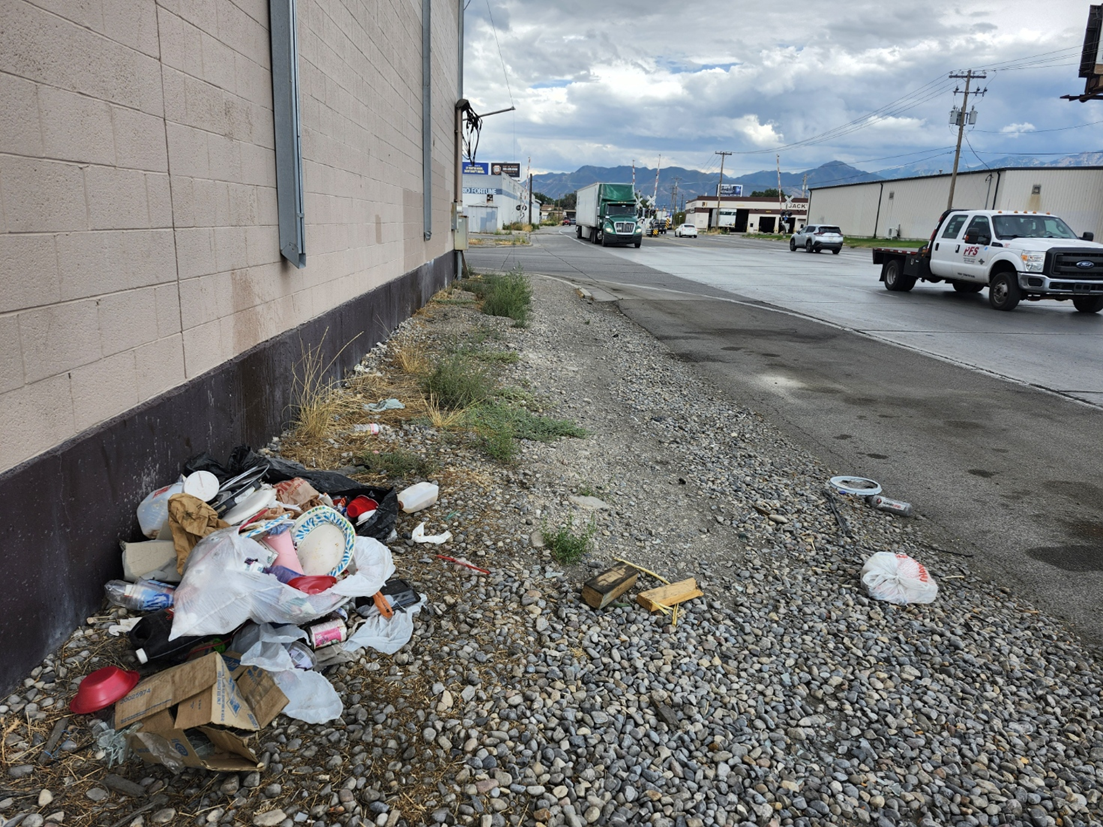
Black garbage bags are scattered along the sidewalk on Gladiola Street amid cardboard, plastic, and other debris. Farther north, a camper trailer sits parked by the curb, surrounded by bicycles, boxes, and more bags. Nearby, an old refrigerator, broken trash containers, and other discarded items lie in a heap beneath a tree.
Gladiola Street is one of several industrial corridors where trash piles up near homeless encampments. Similar problems have occurred under the 700 South underpass at Bangerter Highway, near the Amazon Fulfillment Centers on 700 North, and near a newly-built Wendy’s on 5600 West and Amelia Earhart Drive.
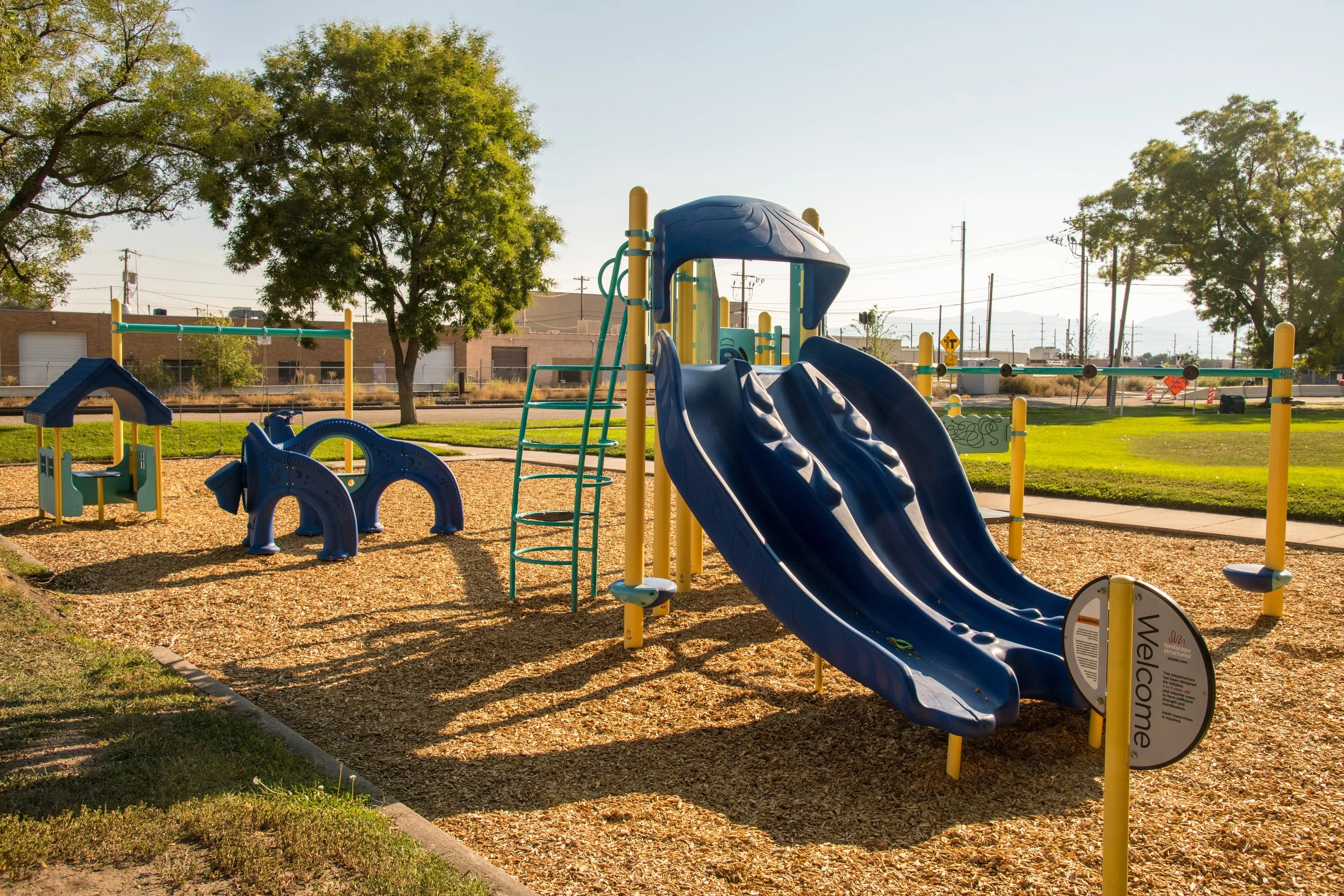
A local park in the Fairpark neighborhood is welcoming back neighbors of all ages after recent renovations. Madsen Park, located at 9 N Chicago Street, has evolved from once-empty land donated by private citizens to a full-fledged park. Now, it’s received upgraded amenities including a new playground and open green space.