
Reconstruction continues at historic Fisher Mansion and Carriage House
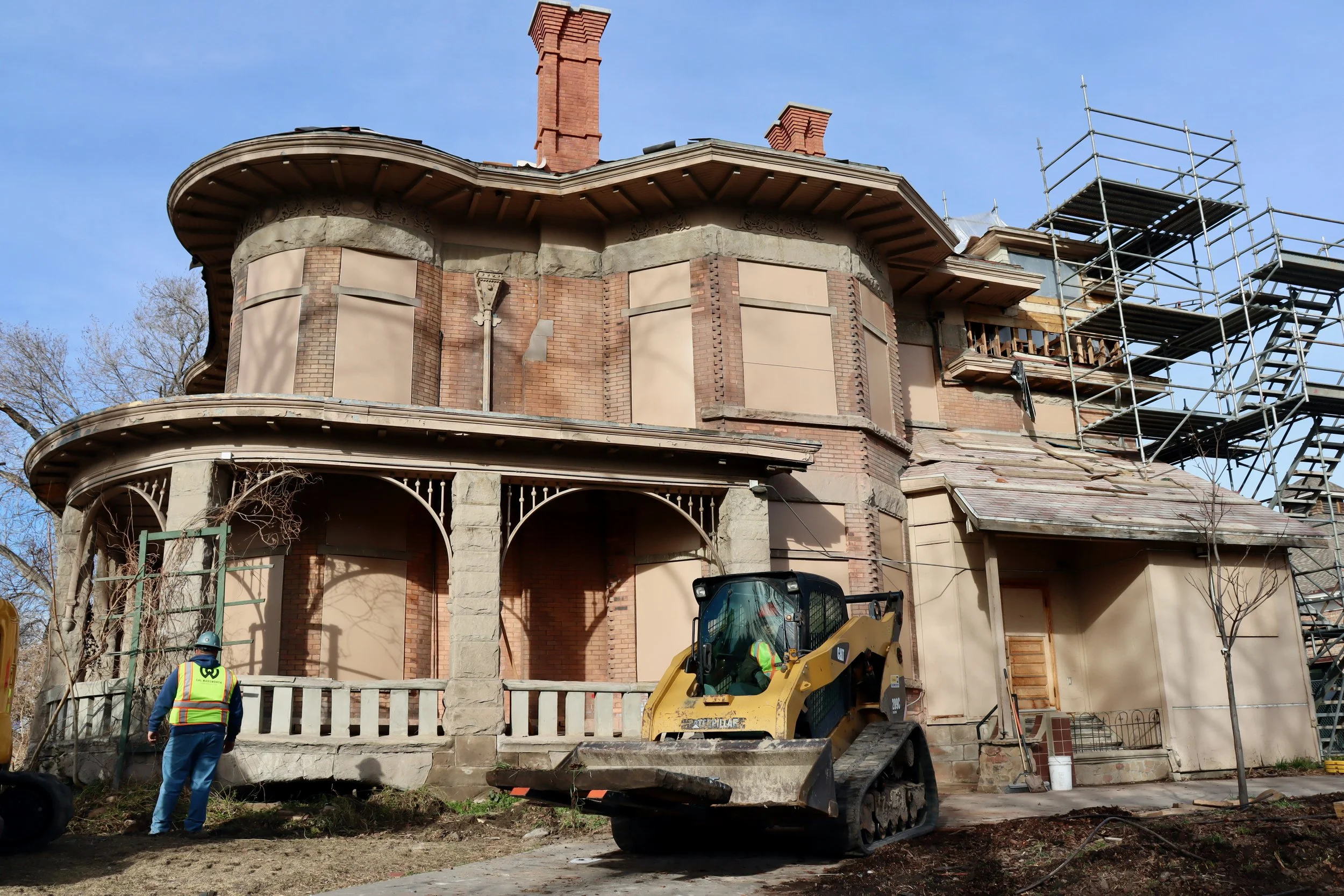
Built in 1893 and designed by Capitol architect Richard K.A. Kletting, the historic Fisher Mansion is slowly being stabilized and repaired — with hopes that one day it could once again become a gathering place for the community. Photo by Ben Trentelman.
Editor’s note (May 4, 2026): This article has been updated to more accurately reflect the terminology used in this kind of project.
For years, the Fisher Mansion has stood behind boarded windows and fencing, raising questions for Westside residents and users of the Jordan River Trail about what is happening on site currently and what the future of the property may hold for the surrounding community.
As multiple city departments continue to care for and plan around this historic site, West View Media connected with city staff and conducted a site visit to better understand the current condition of the property, the work being done to protect it, and how future planning could shape the mansion’s role in the community.
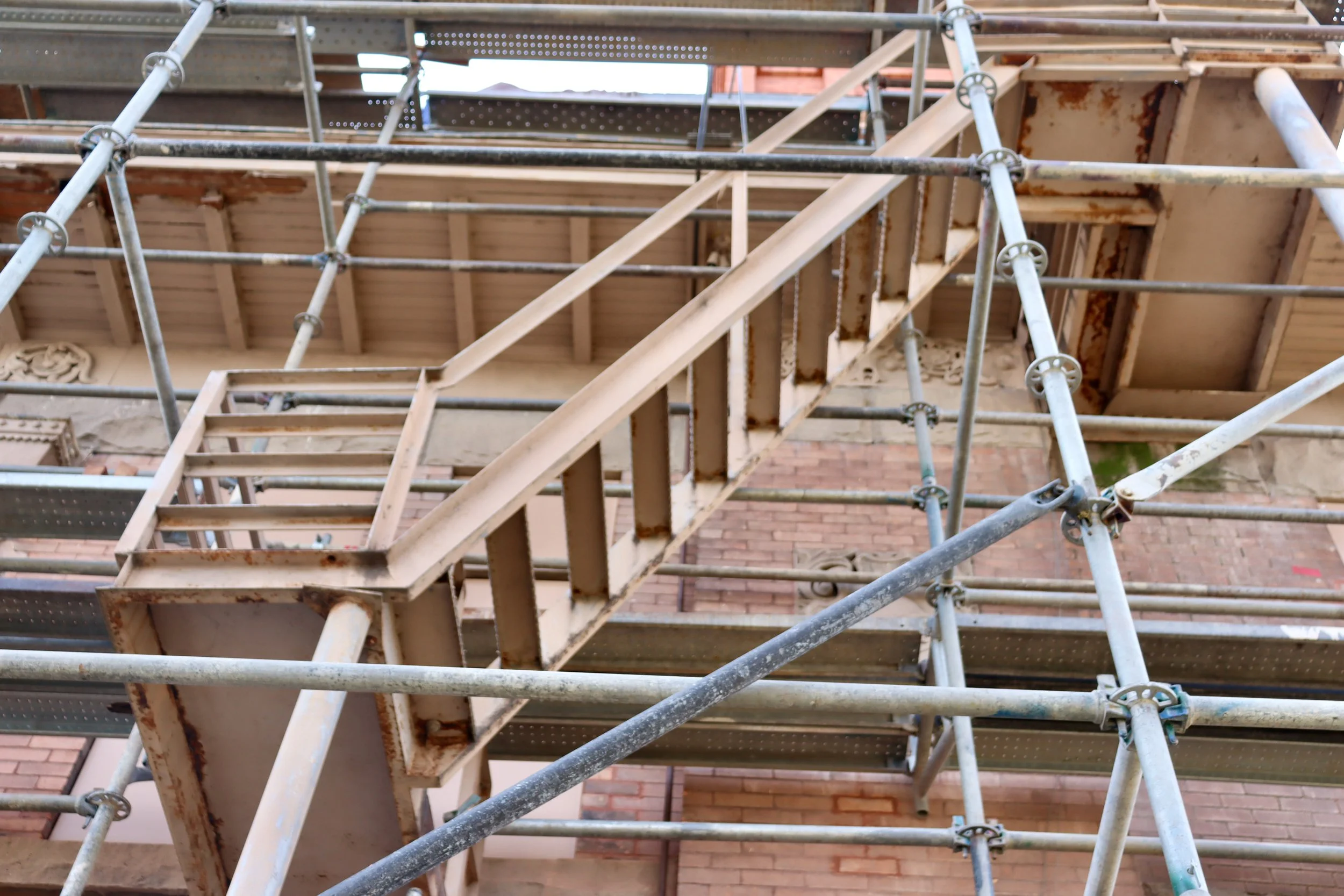
Behind the fencing along the Jordan River Trail, stabilization work continues at the historic Fisher Mansion as the city works to protect and preserve the landmark for the future. Photo by Ben Trentelman.
Built in 1893, the Albert Fisher Mansion and Carriage House were constructed for Albert Fisher, a prominent beer baron in early Salt Lake City, and was designed by Richard K.A. Kletting, who also designed the Utah State Capitol. In 2008, the mansion and carriage house were added to the National Register of Historic Places, helping recognize its architectural, historic, and cultural significance.
In 2006, Salt Lake City purchased the property and began the process of securing and leveraging funds to help preserve these historic buildings. Early investments focused on seismic improvement and exterior protections intended to help preserve the buildings long term.
However — try as one might — nobody can fight tectonic plates shifting. In March 2020, a 5.7 magnitude earthquake struck the Salt Lake Valley and caused significant damage to both structures.
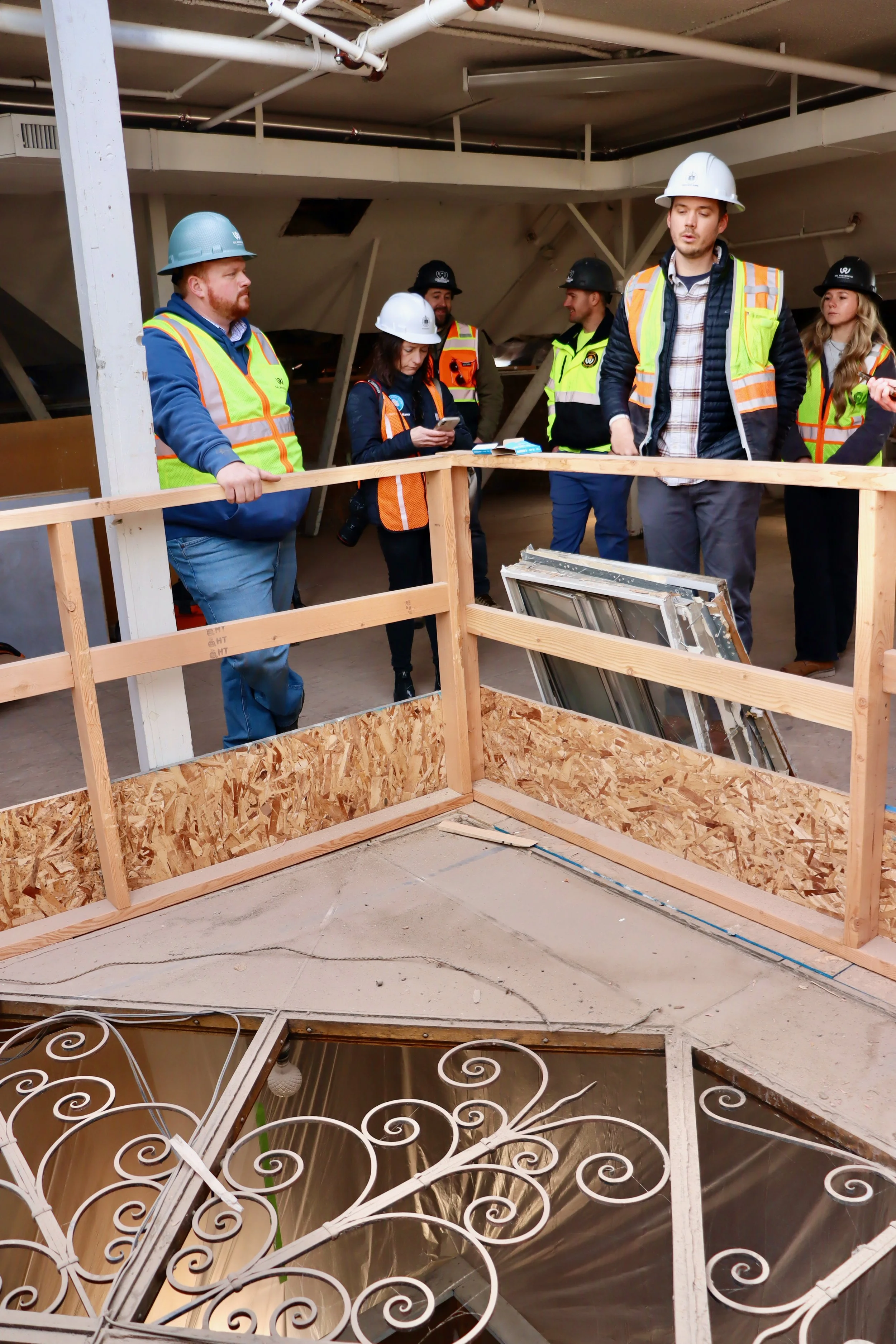
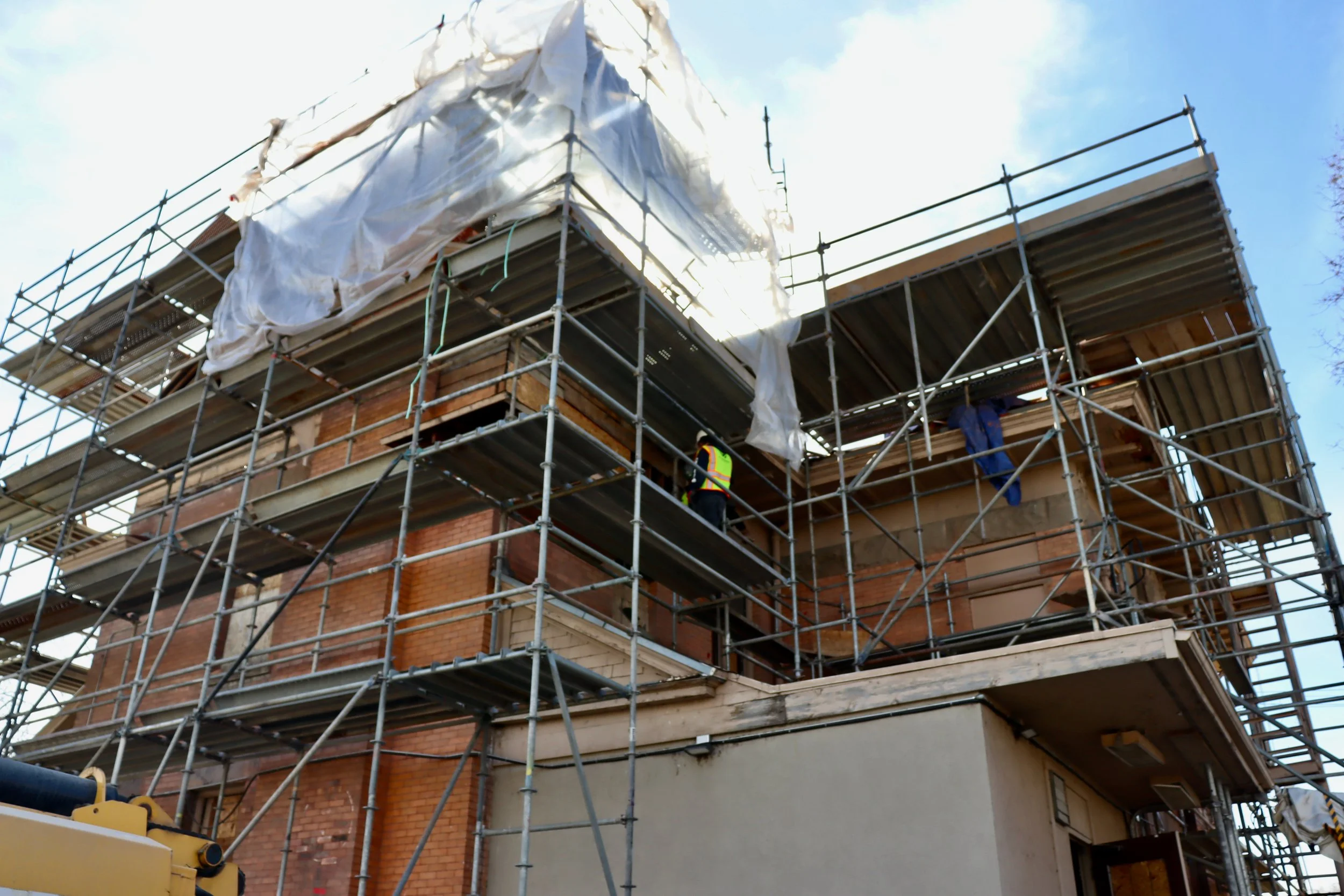
Stabilization crews are hard at work behind the scenes at the Fisher Mansion, repairing earthquake damage and strengthening the structure as the city works to safeguard one of the Westside’s most recognizable historic sites. Photo by Ben Trentelman.
In response, the city took immediate steps to secure and protect the site from further damages. Windows were boarded to protect the buildings from vandalism and weather exposure, while repairs began on damaged drywall and masonry. Displaced bricks were collected and reused within restoration efforts, including rebuilding all four damaged chimneys. Additional work included reinforcing the foundation, replacing the roofs, and completing other seismic repairs.
Today, the Fisher Mansion remains closed to the public while stabilization efforts continue. The Carriage House, however, serves as an office space for park ranger staff and has hosted community focused events, highlighting how historic structures can be thoughtfully repurposed.
As the city focuses its efforts into restoring the Fisher Mansion, repairs will focus on making the building stable and safe.
While the city’s immediate priority remains stabilizing the Fisher Mansion, conversations about the long-term future have been underway. The non-profit organization Friends of Fisher Mansion has partnered with city representatives to explore possibilities for restoring and reactivating the property, with early ideas ranging from arts and cultural uses to community gathering and events space.
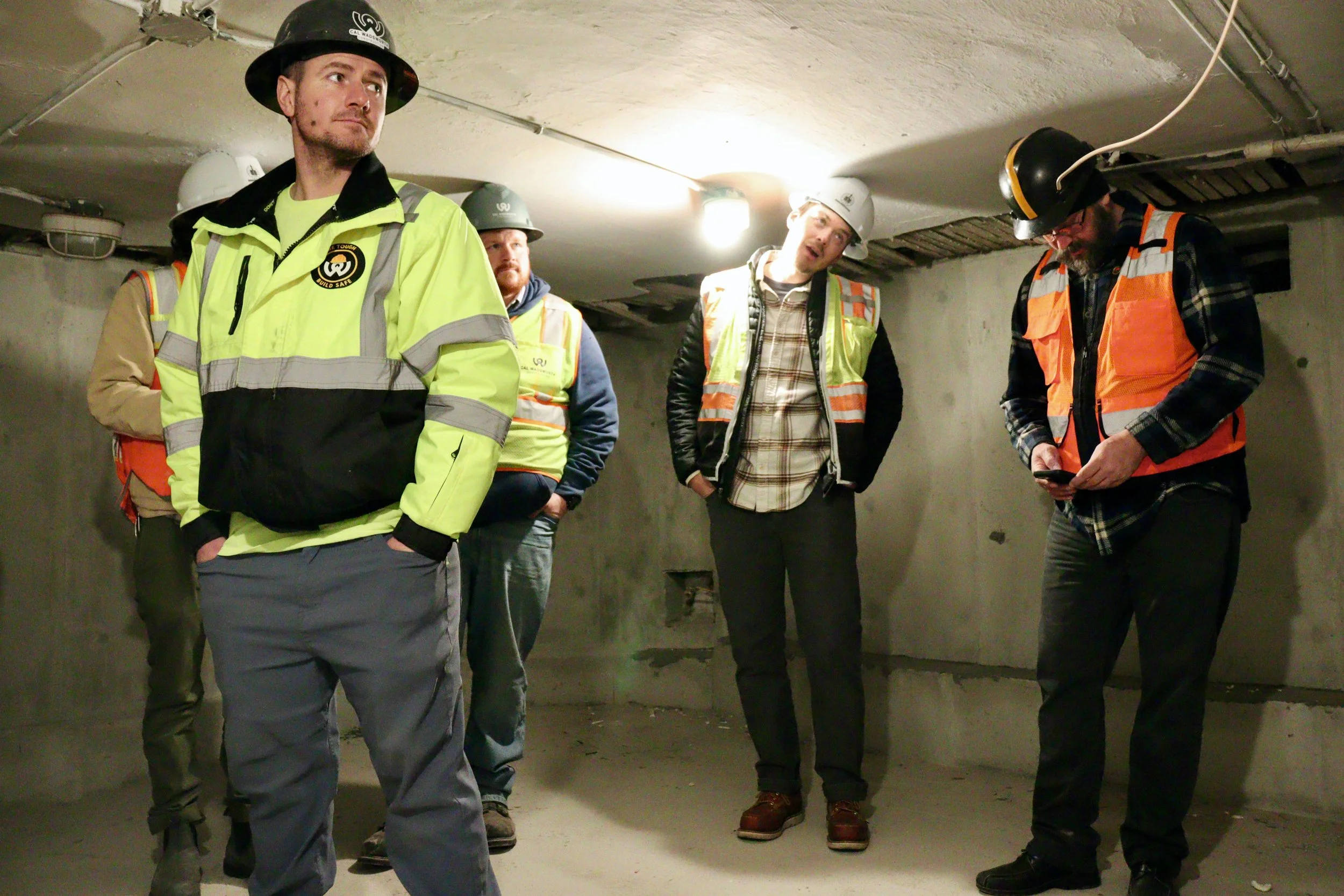
Crews continue stabilization work at the historic Fisher Mansion — carefully repairing masonry, reinforcing the structure, and preserving original materials to protect the 1893 landmark for future generations. Photo by Ben Trentelman.
Planning for this site is also deeply connected to the broader efforts along the Jordan River corridor.
The city’s Emerald Ribbon Action Plan outlines a long-term vision for improving the Jordan River trail and surrounding open/green space. Early design concepts for the area have included expanding trail widths to reduce conflicts between pedestrians and cyclists, restoring natural riverbank habitat, improving access to the water, and adding wayfinding signage that highlights key landmarks such as the Fisher Mansion. Many of these ideas have been explored through community and stakeholder workshops, and additional public input can be found in the Community Engagement Summaries available on the Emerald Ribbon Master Plan website.
For many traveling along the Jordan River Trail, the Fisher Mansion has long been a quiet landmark behind boarded windows and fencing. Yet with the restoration work, community partnerships, and corridor planning now underway, the next chapter of this historic property is still being written; a chapter which hopefully brings new life, activity, and connection back to this long-standing Westside landmark.
The historic Fisher Mansion and Carriage House has stood quietly along the river for years — but stabilization work and community partnerships are helping write its next chapter. Photo by Ben Trentelman.