
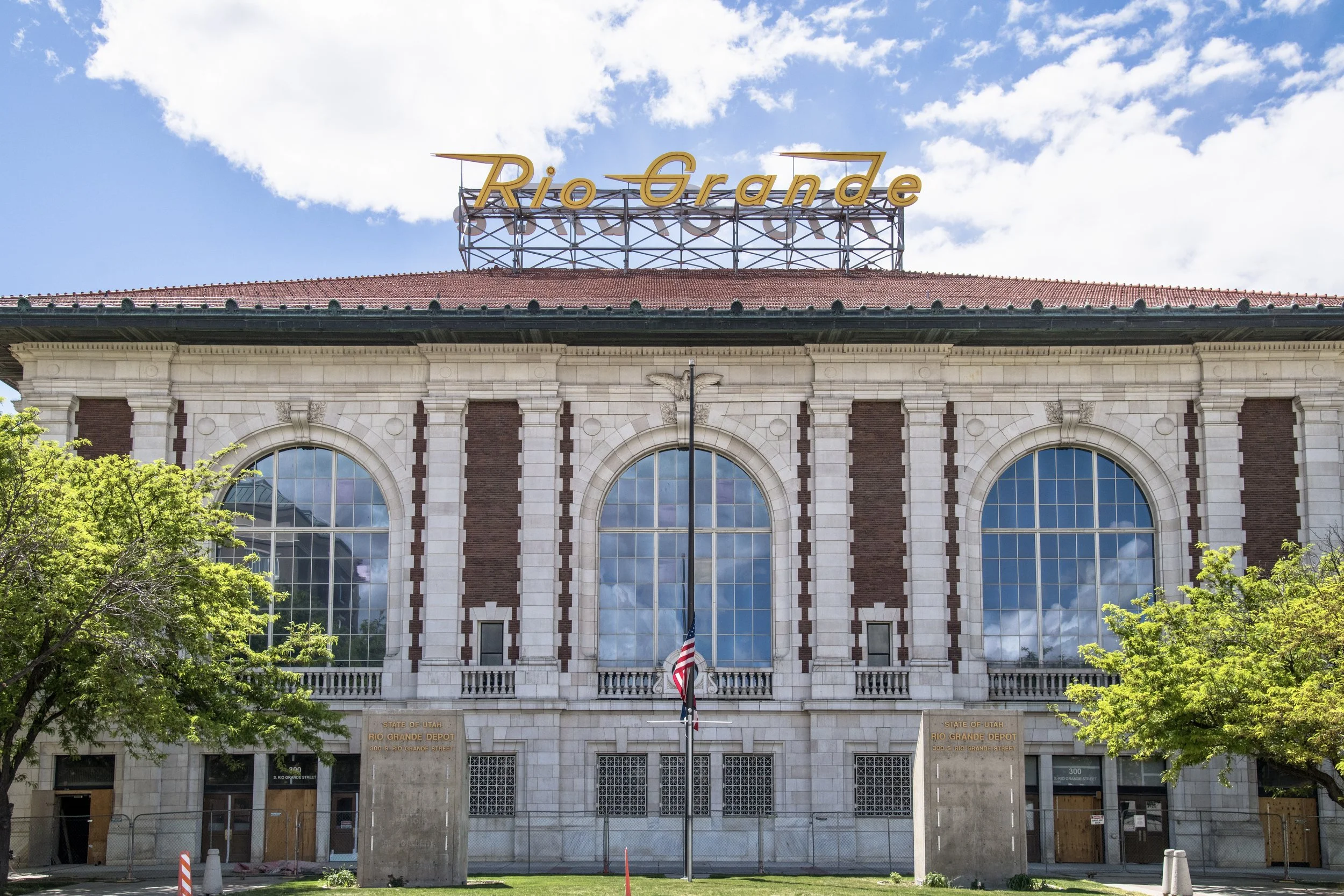
The Rio Grande Plan aims to reduce delays and improve connection between Salt Lake City’s downtown and Westside. The plan involves burying railroad tracks under 500 W, using the historic Rio Grande Station as a revitalized transportation hub. Photo by David Ricketts.
Salt Lake City stands at a crossroads. With the release of a new economic study from Utah State University (USU), momentum is growing behind the Rio Grande Plan — a bold proposal to reroute and bury heavy rail lines, restore the historic Rio Grande Depot as a transit hub, and unlock dozens of acres of developable land. For residents of Salt Lake's Westside, long separated by rail lines dating back to 1870, this plan represents not just a transit project, but a once-in-a-generation opportunity to stitch the city back together.
What is the Rio Grande Plan?
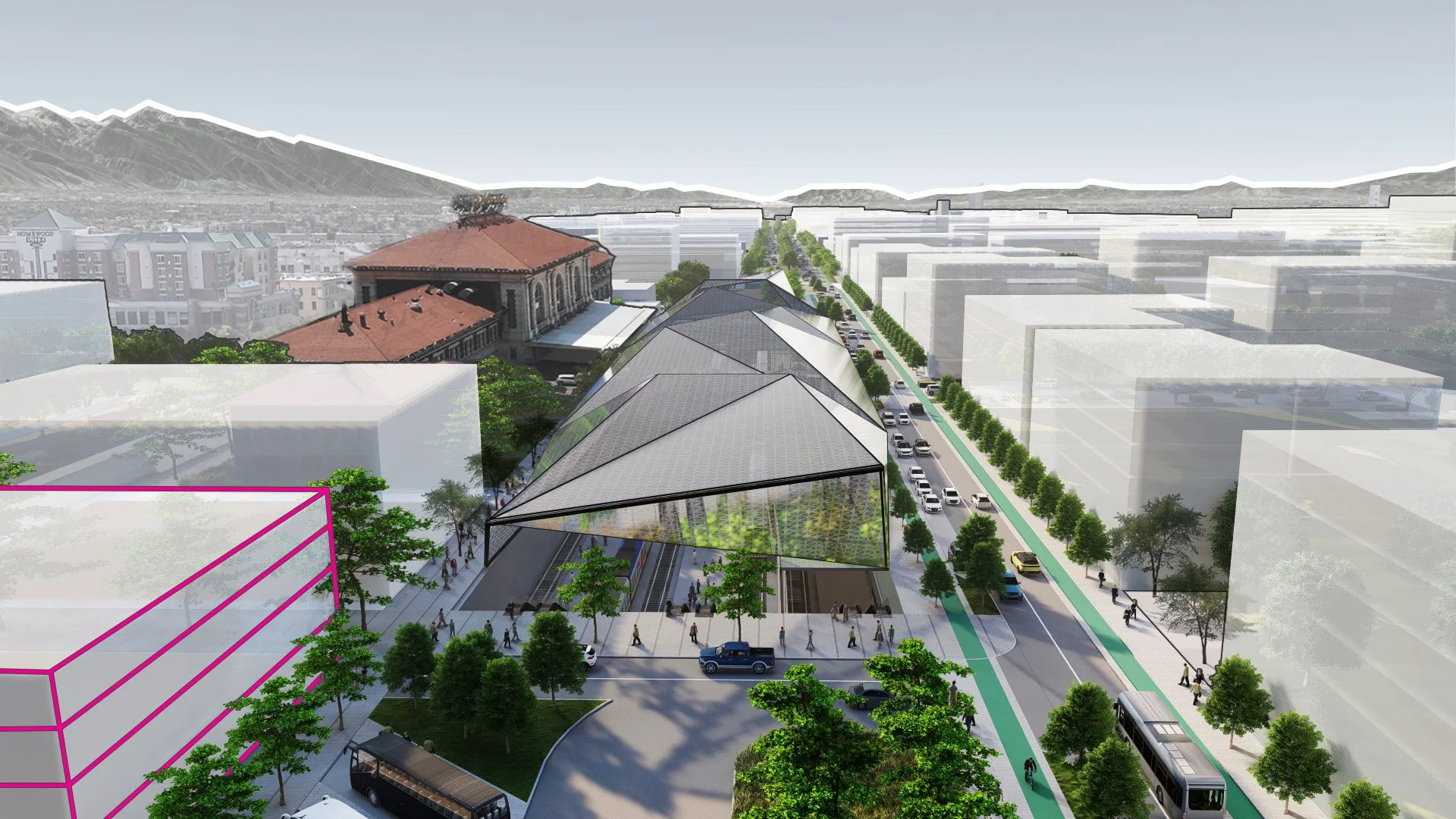
The Rio Grande Plan proposes burying rail lines in a kind of ‘train box’ just west of the Rio Grande Station. Photo courtesy of The Rio Grande Plan.
In March 2020, civil engineer and Salt Lake City resident Christian Lenhart connected with landscape architect Cameron Blakely on an online urban development forum. What started as a shared interest in restoring train service to the historic Rio Grande Depot quickly evolved into a broader vision. Christian recalls, “I only got serious about the Rio Grande Plan once I realized that by including all rail lines, freight and passenger, we could correct decades of planning mistakes in the Depot District and use development revenue to offset costs.”
The feasibility of their plan has been confirmed by engineering firm Kimley-Horn in an analysis commissioned by Salt Lake City. It proposes relocating downtown rail lines into a covered ‘train box’ beneath 500 West and South Temple, eliminating as many as 8 at-grade crossings and connecting to a first-class transit station at the Rio Grande Depot. This new Central Station would serve TRAX, FrontRunner, Amtrak, and connect to other UTA services and private buses. It also proposes reclaiming and developing 75+ acres of the nearby underused rail yard.
Utah State University Study
The 2023 Kimley-Horn analysis also provided a cost estimate of $3-5 billion. With most major infrastructure projects, an economic benefits analysis is also performed. Without understanding the benefits, it’s hard for people to see past the cost. Utah State University’s Jon M. Huntsman School of Business agreed to perform this analysis and found that the Rio Grande Plan’s benefits far outweigh its maximum estimated cost.
Over its six years of construction, the project is expected to generate $12.23 billion in economic output and create more than 51,000 jobs. Ongoing benefits would include the following annually: $3.6 billion in economic impact, $118 million for Salt Lake County tourism, and $129 million in state and local taxes. Local residents will also see the benefits of new commercial space, as many as 2,672 housing units, and more than 16,000 new permanent jobs with $1.24 billion in annual wages.
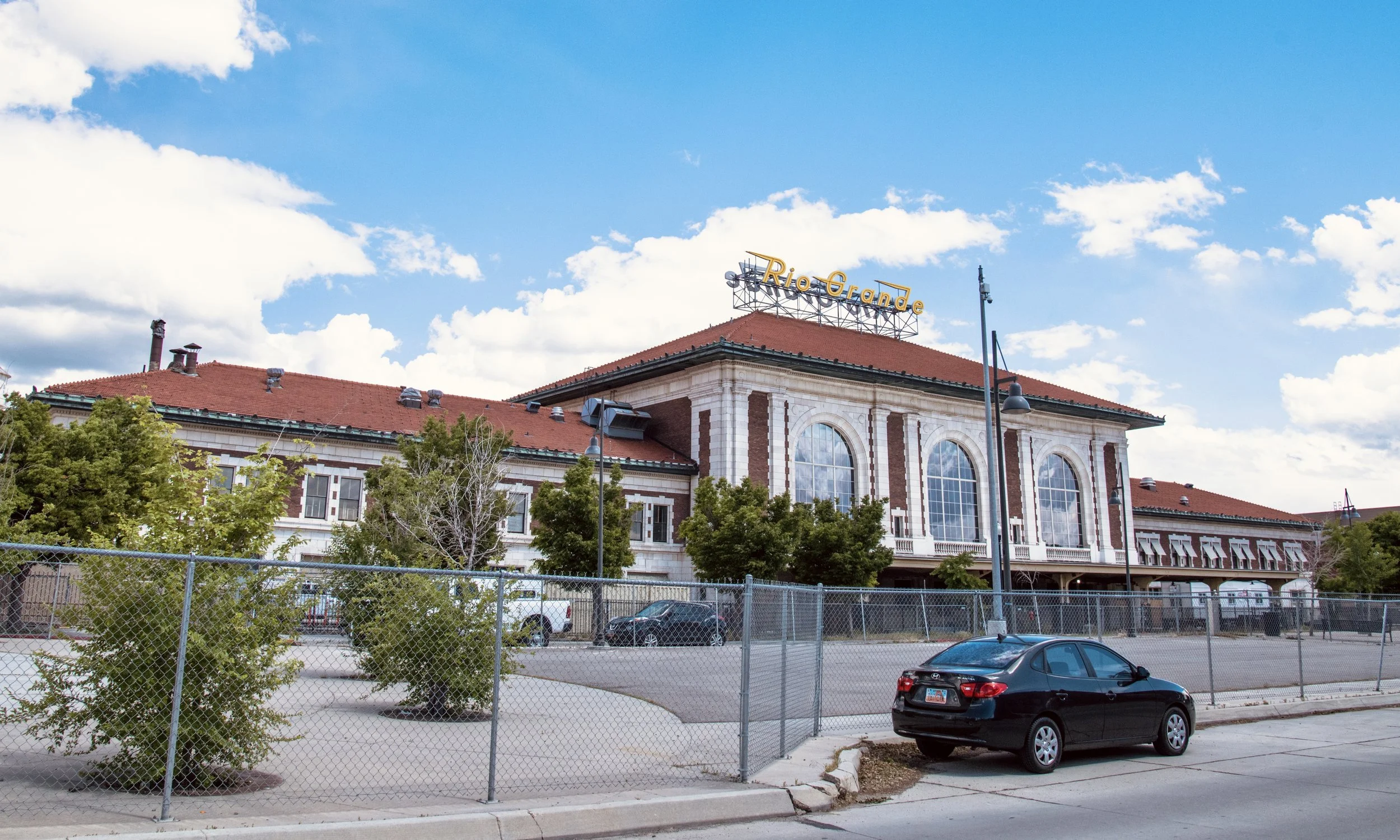
Currently, the area behind the Rio Grande Station sits a fenced-off empty plaza. This is the target area that would become a ‘train box’ under the proposal put forward by The Rio Grande Plan. Photo by David Ricketts.
Healing a Historic Divide
What the study doesn't quantify is the social, civic, and economic healing the plan would offer beyond economic returns. For over 150 years, rail lines have cut through Salt Lake City, isolating Westside neighborhoods from the downtown and eastside areas. City planners have long recognized these barriers, but past efforts merely shifted the problem away from the city center instead of solving it.
Divided by Freight Trains
And the problem has only grown. Freight trains are longer and more frequent and FrontRunner train crossings are expected to double by 2030, making crossing delays increasingly frustrating and deadly for cars, pedestrians, and cyclists. Stopped freight trains can stop traffic flow for more than an hour, taking away valuable time from work, medical appointments, school, shopping, or time with loved ones. A recent analysis found that if this barrier is not removed through the Rio Grande Plan, it will cost Utah at least $1.5 billion in lost time, crashes, and additional infrastructure costs.
Divided by Tracks
Even when no trains are in sight, the rail corridor remains a formidable barrier. The tracks — and the constant possibility of passing freight — require massive overpasses that reach deep into the city, disrupting street-level development and undermining walkability.
Because of the tracks, these overpasses are the only way buses can reach the Westside. Routes won’t cross at grade, as the risk of being blocked by a long freight train makes them too unreliable.
The result is a transit bottleneck where long stretches have limited pedestrian access. Buses are funneled onto a handful of overpasses, but those very structures discourage walking and sever neighborhood connections. Infrastructure meant to connect people ends up dividing the communities it passes through.
Divided by 75+ Acres of Underused Industrial Space
The underutilized railyard west of 500 West has discouraged investment, lowered land values, and continues to act as a physical and psychological barrier separating the Westside from the rest of the city. Salt Lake Central Station’s location right next to it was not chosen with passengers in mind and was not meant to be long-term. It’s no surprise, then, that it hasn’t sparked the kind of economic development normally seen around successful transit hubs in other cities.
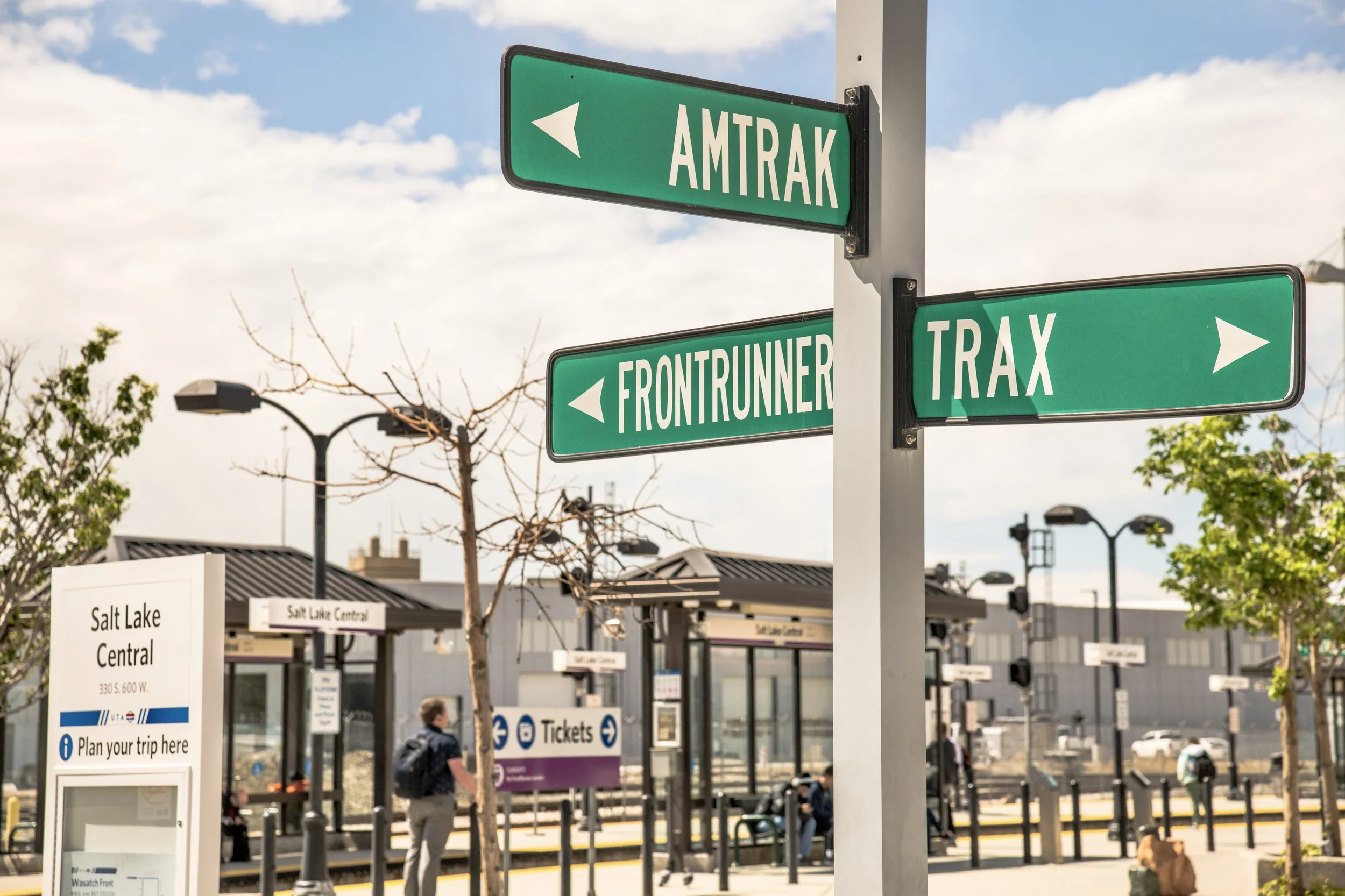
The existing Salt Lake Central Station houses Amtrak, FrontRunner, TRAX, UTA bus service, and Greyhound bus service. These would all move to the Rio Grande Depot as part of the Rio Grande Plan. Photo by David Ricketts.
The USU study laid valuable groundwork by highlighting the economic benefits of redeveloping this area. Building on that, there’s even more potential to uncover, especially in how revitalization of this area could reconnect communities, attract investment, and bring lasting improvements to quality of life on the Westside.
As Christian Lenhart noted, the hardest part of making the case for the Rio Grande Plan is that we’ve already adapted to life without it. The barriers feel normal, so spending $3–5 billion may seem excessive. But as train traffic and development grow, the problems will only intensify. The question to ask is, if we were on the other end and we already had an iconic Central Station, shorter freeway ramps, seamless cross-city travel, and billions in annual economic benefits, would we give all that up, even for $5 billion?
What's Next?
With the Rio Grande Plan, Utah has a rare chance to correct past mistakes and build a future that connects everyone. But turning this vision into reality will require residents, planners, and policymakers at every level to work together.
Westside residents have a vital role to play in shaping and advocating for the Rio Grande Plan by:
Participating in the SLC West/East Connection Study
Contacting your state and federal representatives
Contacting the state transportation committees
Giving public comments at planning meetings with WFRC, UDOT, and UTA
Reporting a blocked crossing on the Federal Railroad Administration’s website every time you get stuck at a freight train.
Together, we can ensure the Rio Grande Plan becomes more than a blueprint; that it becomes a turning point for a stronger, more connected Salt Lake City.
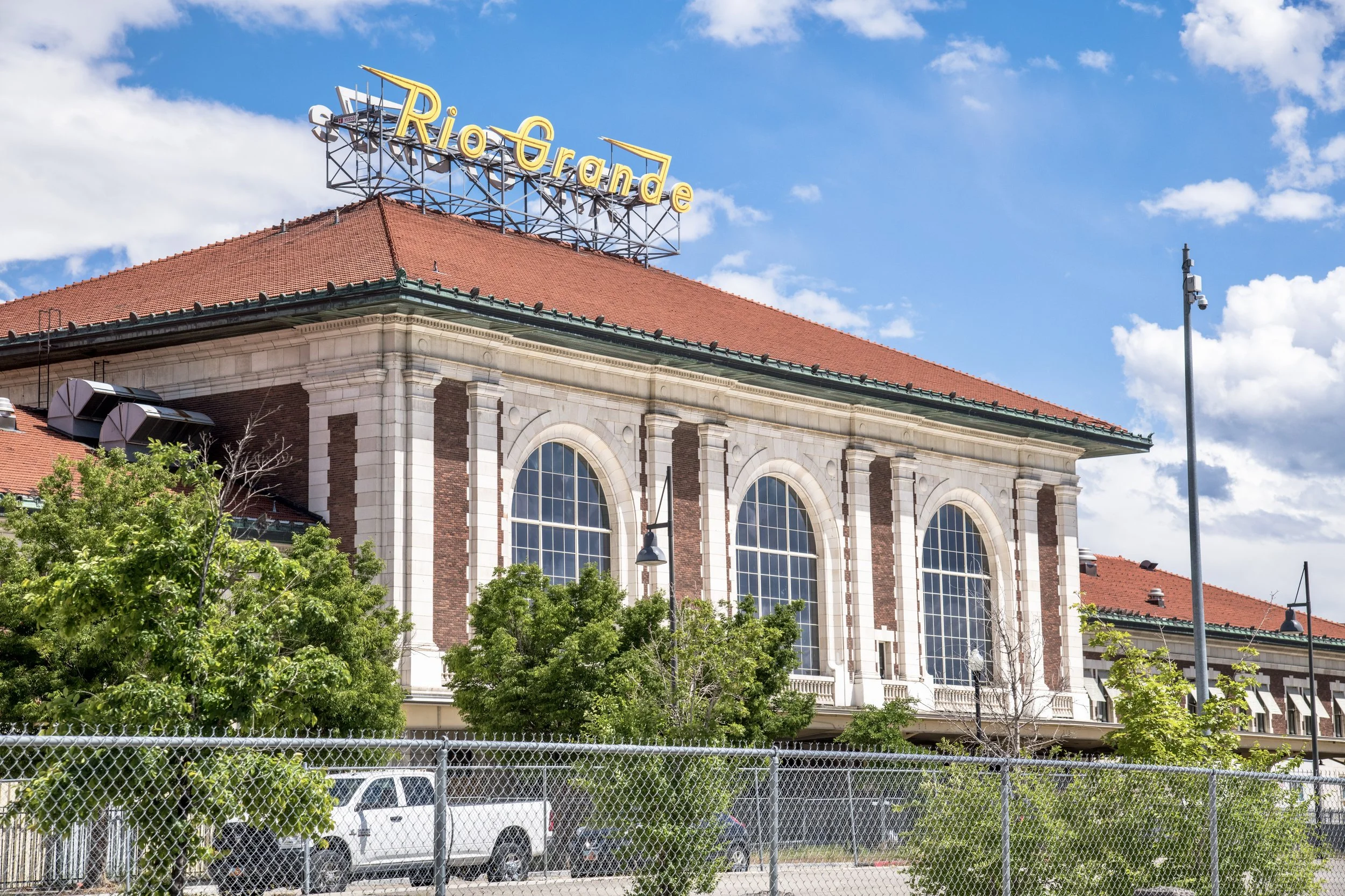
A study from Utah State University Jon M. Huntsman School of Business found that economic benefits from The Rio Grande Plan were more than $12 Billion dollars — that’s during a six-year construction phase alone. Ongoing benefits would include the following annually: $3.6 billion in economic impact, $118 million for Salt Lake County tourism, and $129 million in state and local taxes. Photo by David Ricketts.