
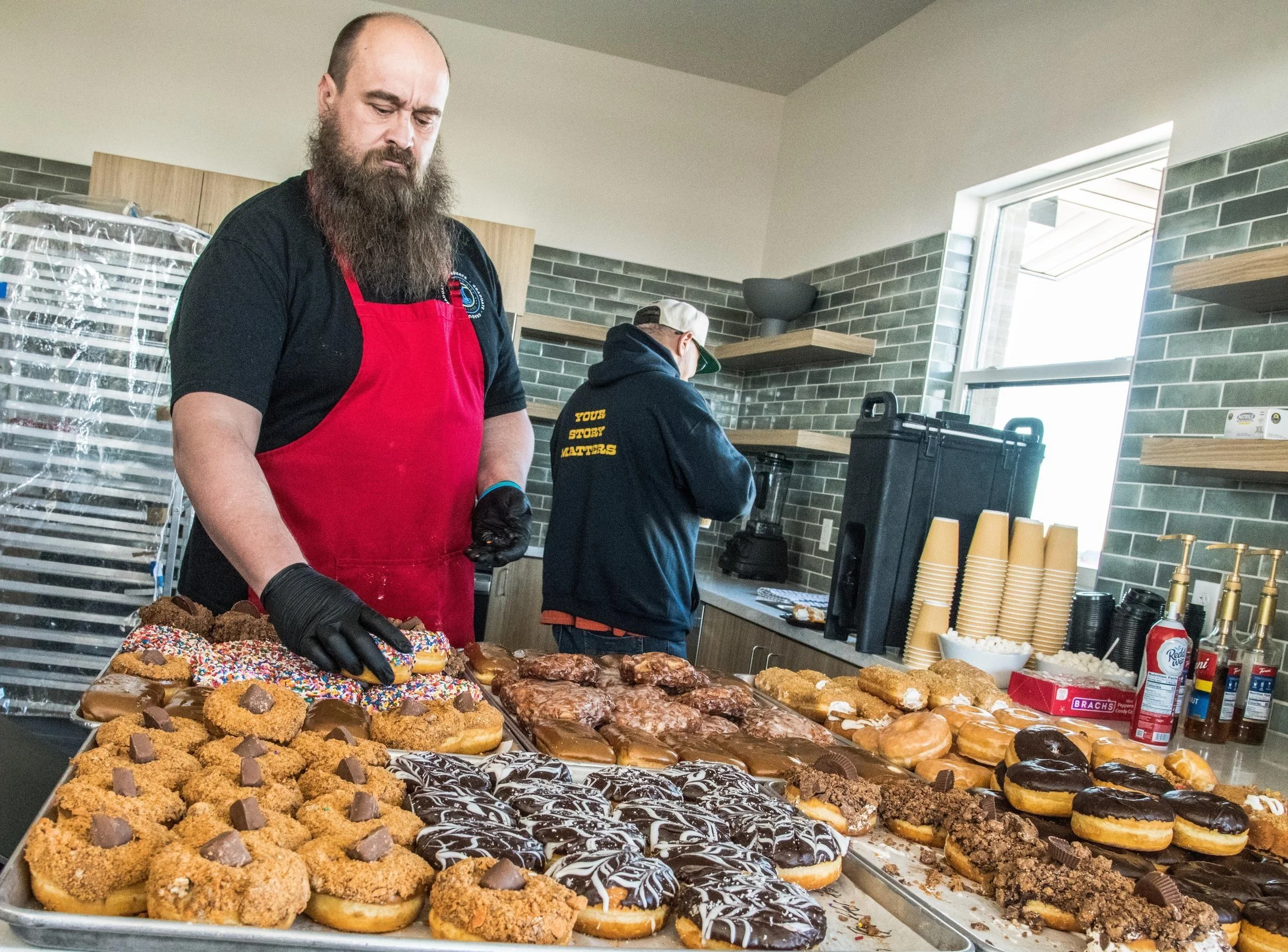
Gideon Neiman serves treats from The Other Side Donuts during an open house for The Other Side Village. He says it’s been fulfilling to be a part of something big. Photo by David Ricketts.
Eager to share the results of months of hard work, teams from The Other Side Village and The Other Side Academy welcomed members of the community to a recent open house. Those who attended the event on January 27th were greeted in the village’s clubhouse with fresh donuts from The Other Side Donuts and hot chocolate, and were able to mingle with those who played a role in getting The Other Side Village up and running.
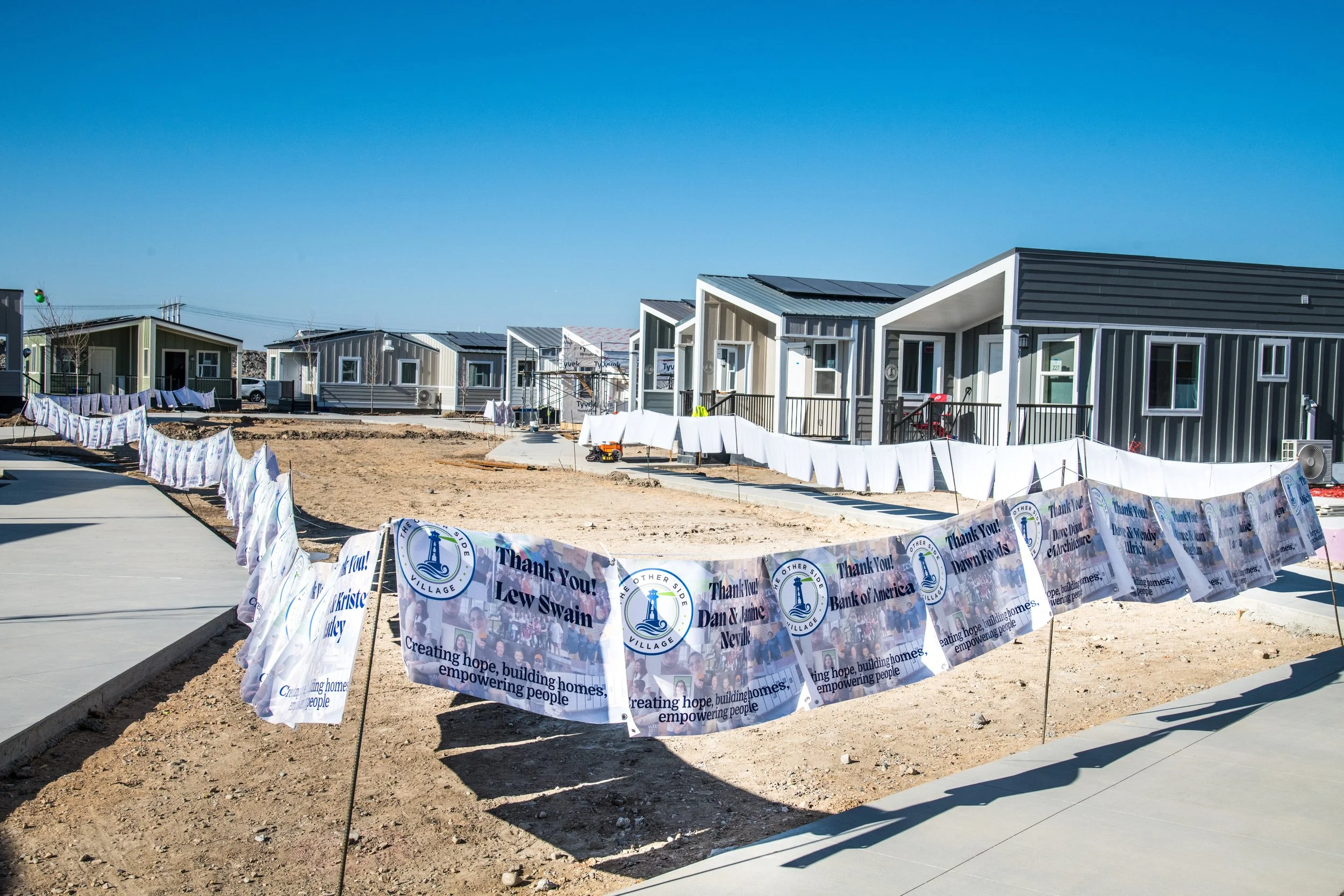
The Other Side Village is situated on roughly 39 acres and will eventually be the site of over 400 housing units. Photo by David Ricketts.
Located in Poplar Grove, The Other Side Village is situated on roughly 39 acres and will eventually be the site of over 400 housing units. While its sister organization, The Other Side Academy, focuses primarily on residential treatment for formerly incarcerated individuals, those struggling with substance use, and mental health issues, the Other Side Village is a permanent residence opportunity for individuals who have experienced chronic homelessness.
Before moving in, prospective residents go through a kind of preparatory school for 6-12 months. There, they unlearn behaviors that might hinder their ability to transition to housing and relearn skills they might need to live in the village successfully. They are also given support and resources to find work, improve their mental health, and more. Following that, they then go through a peer evaluation process to determine their readiness for moving into the village.
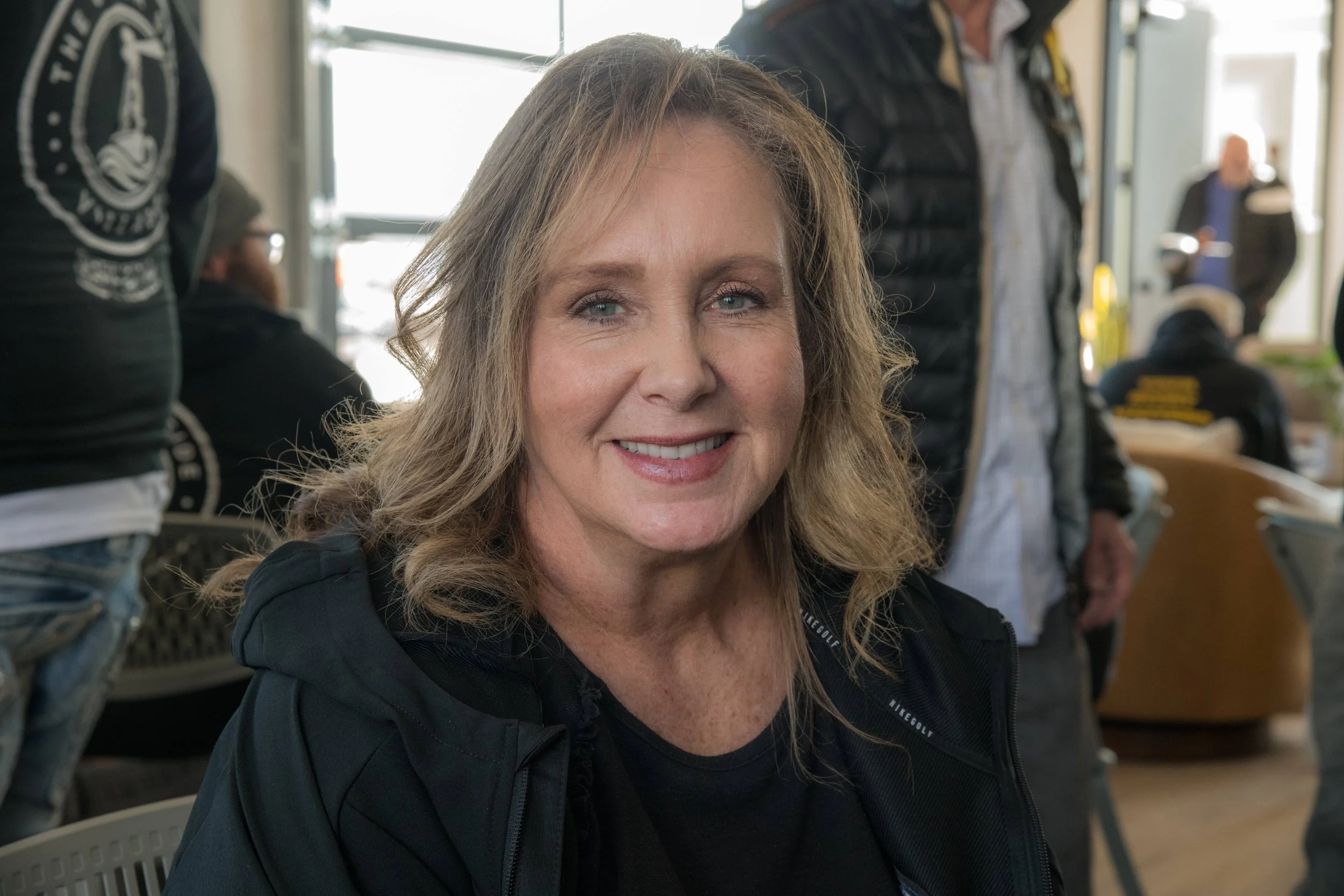
Marcie Slaugh is one of several residential coaches and graduates from The Other Side Academy. Photo by David Ricketts.
Marcie Slaugh is a residential coach and graduate from The Other Side Academy. She’s one of several coaches who live in the village, all of whom are graduates of the Academy. They live on site to facilitate a therapeutic community, and to be available to residents for peer support, case management, and accountability.
Slaugh says moving into the community isn’t always an easy thing for new residents. “It’s a process,” Slaugh says. “They don’t just come and get a home right away. They go to prep school and work on behavior modification, managing medication, unlearning negative behaviors, whatever they need.”
At the open house, tables were set up for attendees to talk with coaches to learn more about the coaching model, speak with others about life on the streets, life in the village, and strategies for self-reliance. By encouraging conversations and being open about the struggles that individuals experiencing homelessness encounter, The Other Side Village team hopes to break down misconceptions about the unsheltered community and work towards a greater sense of support for individuals working to change their circumstances.
In addition to round table discussions, attendees were also able to chat with a few residents of the Village, who were able to begin moving in on December 31, 2024.
Jennifer Davis and Gideon Nieman live in The Other Side Village and work at The Other Side Donuts. While serving guests delicious pastries, they were also able to share their experiences. Davis, who helps manage The Other Side Donuts, says “it’s a beautiful opportunity to be able to start over again and to be self-reliant. I was in a past life and I lost all that, so it’s really empowering to be self-reliant again.” Nieman shared similar sentiments, noting that “it’s been a huge adjustment. It’s been really mind changing to realize that I’m still part of something.”
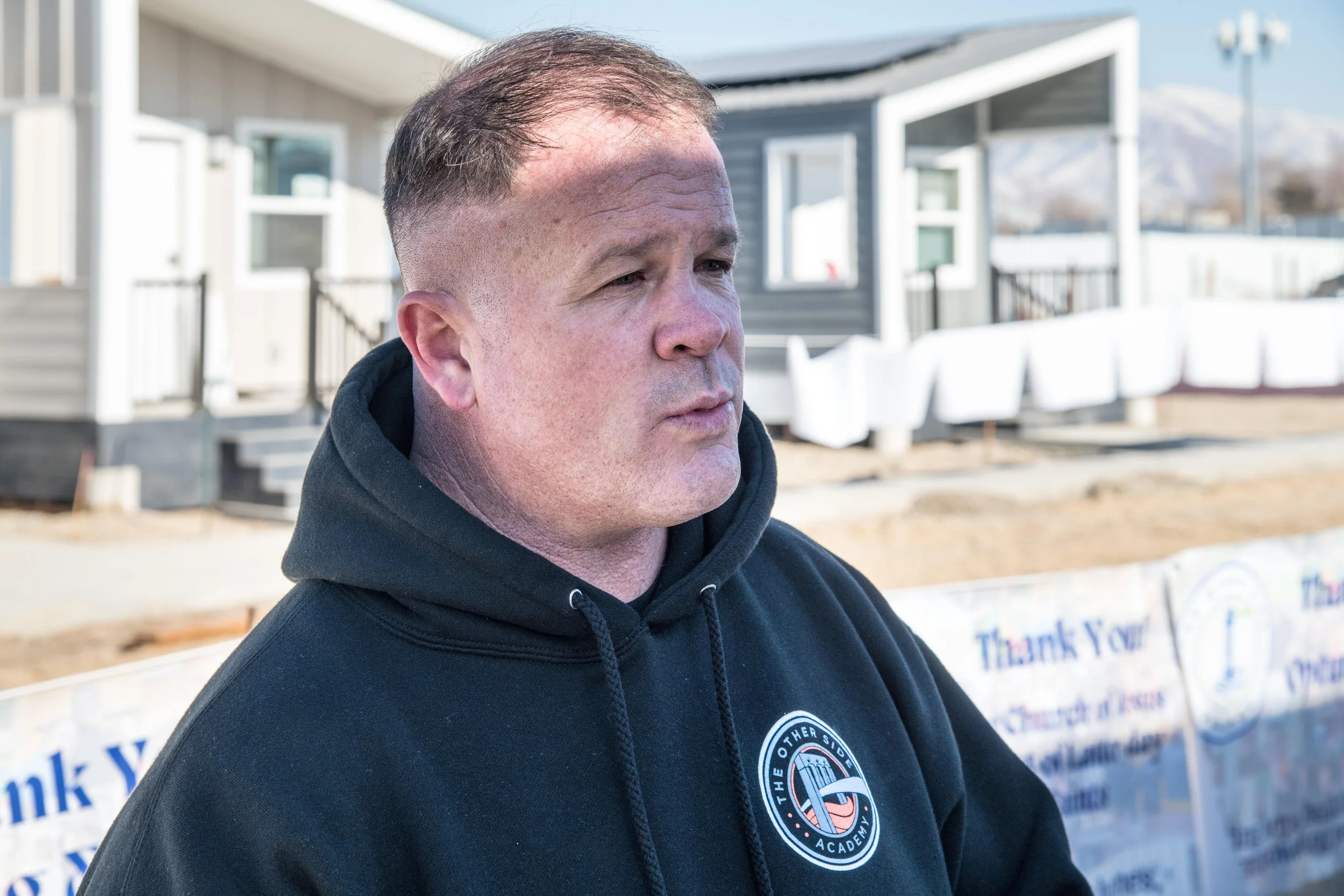
While taking several groups on tours of the Village, student at The Other Side Academy Jared Campbell says his goal is for residents to gain independence and self-confidence. Photo by David Ricketts.
Aside from lively conversations and refreshments, community members were given tours of vacant units at the open house. Several different kinds of units are available, including fourplexes, duplexes, and single units. Each unit’s front door faces inward in an effort to foster a sense of belonging and promote the idea that stepping out the front door is like stepping into a community, not away from it. There are also large communal spaces for recreation, including barbecues.
Tour guide and student at The Other Side Academy Jared Campbell noted that another big part of this design choice is to encourage accountability among residents. “My goal for the residents would be for them to gain independence and self-confidence. Being part of a community is where we thrive,” he says. Campbell also shared a message for the greater community: “Those [who] have been on the streets are people. They’ve lost their way and given the opportunity, they want to thrive. We’re here, we don’t want our villagers to fade and be forgotten, and it takes a village to make this all possible.”
As for greater community involvement, there are many ways to support the project. The Other Side Donuts is available for catering, and the clubhouse will be available for groups to reserve for gatherings. Prior to the open house, dozens of organizations and many individuals donated to The Other Side Village through funding, labor, or resources.
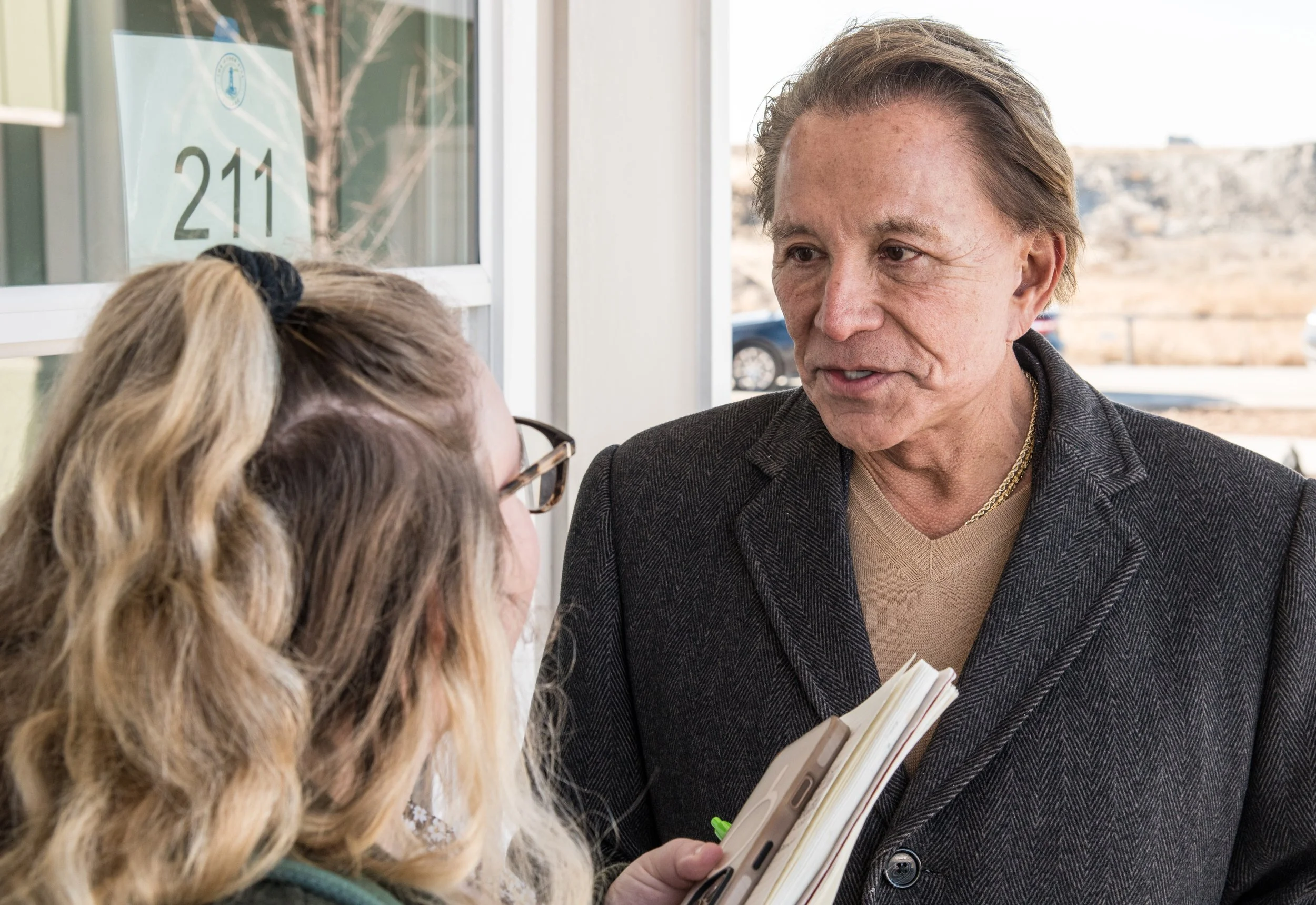
David Ibarra sponsored the construction of one unit, which he named the “Live Ready Casa.” Photo by David Ricketts.
Open house attendee David Ibarra sponsored the construction of one unit, which he named the “Live Ready Casa.” When asked why he chose to sponsor a home, Ibarra said, “it was such a good project to seek out individuals who maybe made some bad choices, and just because they may have done that doesn’t mean they can’t correct and move on. We as a society need to provide a pathway for accountability and correction.”
In listening to The Other Side Village team members talk, another major way to support residents became apparent: treat the village as any other part of the community. Preston Cochrane, CEO of The Other Side Village, spoke to attendees about his hopes for the village moving forward. “To do something of this nature – it does take a village and it takes a community,” Cochrane explained. “It takes a sense of belonging and individuals coming together for something bigger than ourselves. We hope to give individuals a second chance at life and opportunities for them to move forward.”
Cochrane says he plans to keep the lines of communication as open as possible in order to continue fostering a strong sense of belonging in the community.
More information on The Other Side Village — including ways you can help The Other Side organization — can be found at https://theothersidevillage.com/.