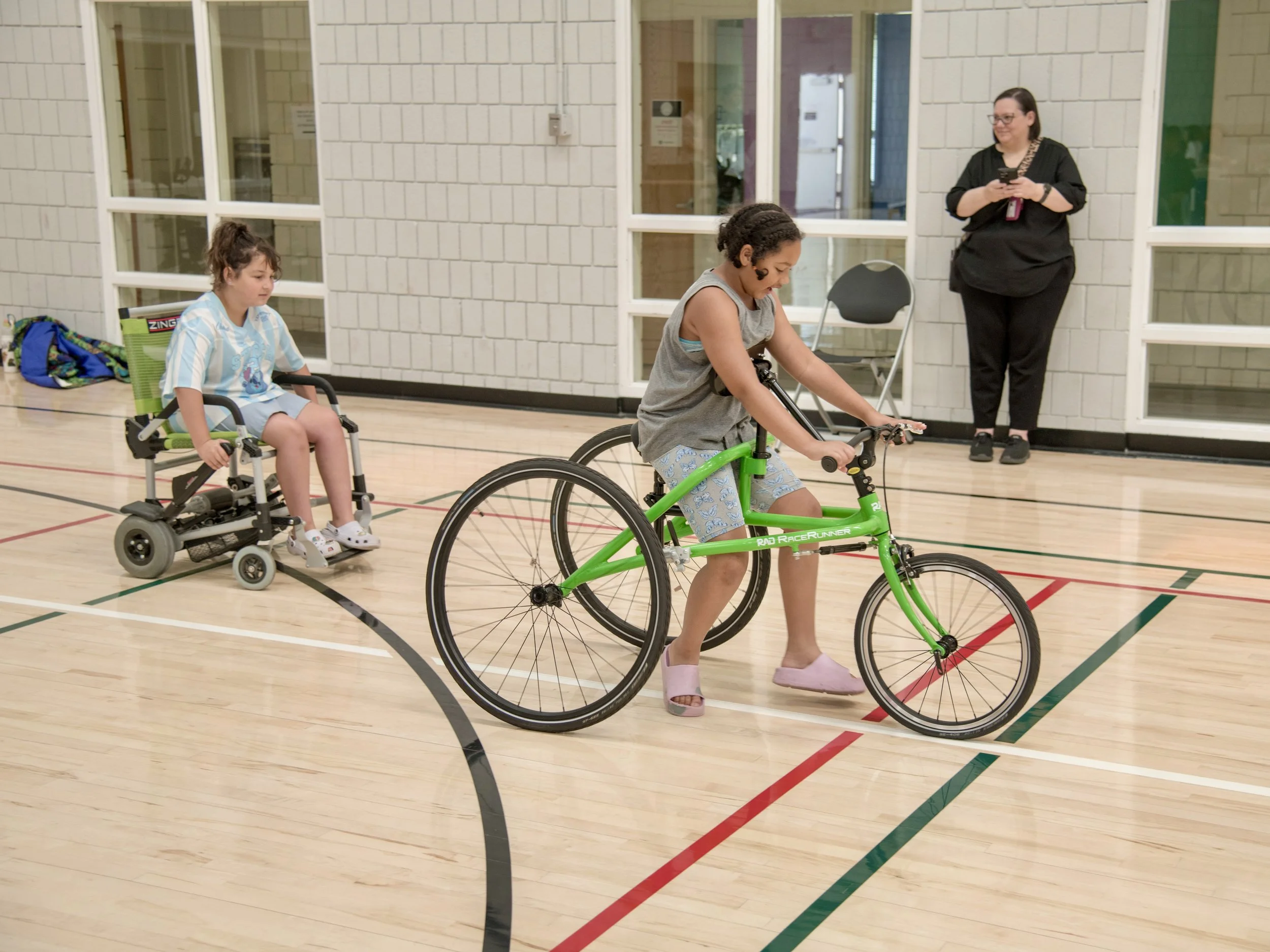
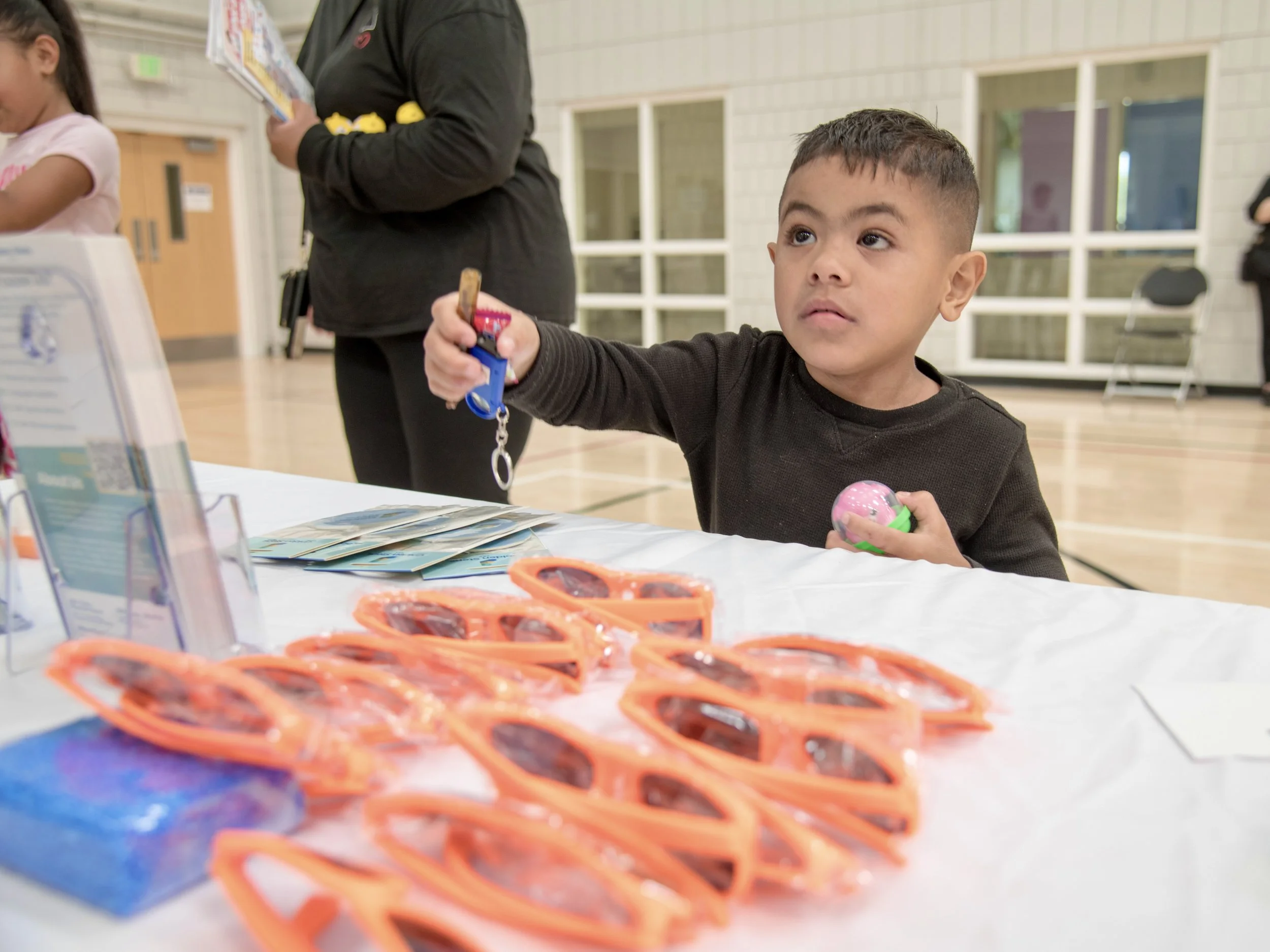
Dozens of exhibitors and volunteers packed the Sorenson Unity Center in Glendale, all to help highlight the different kinds of assistive technology available to those in our community with disabilities.
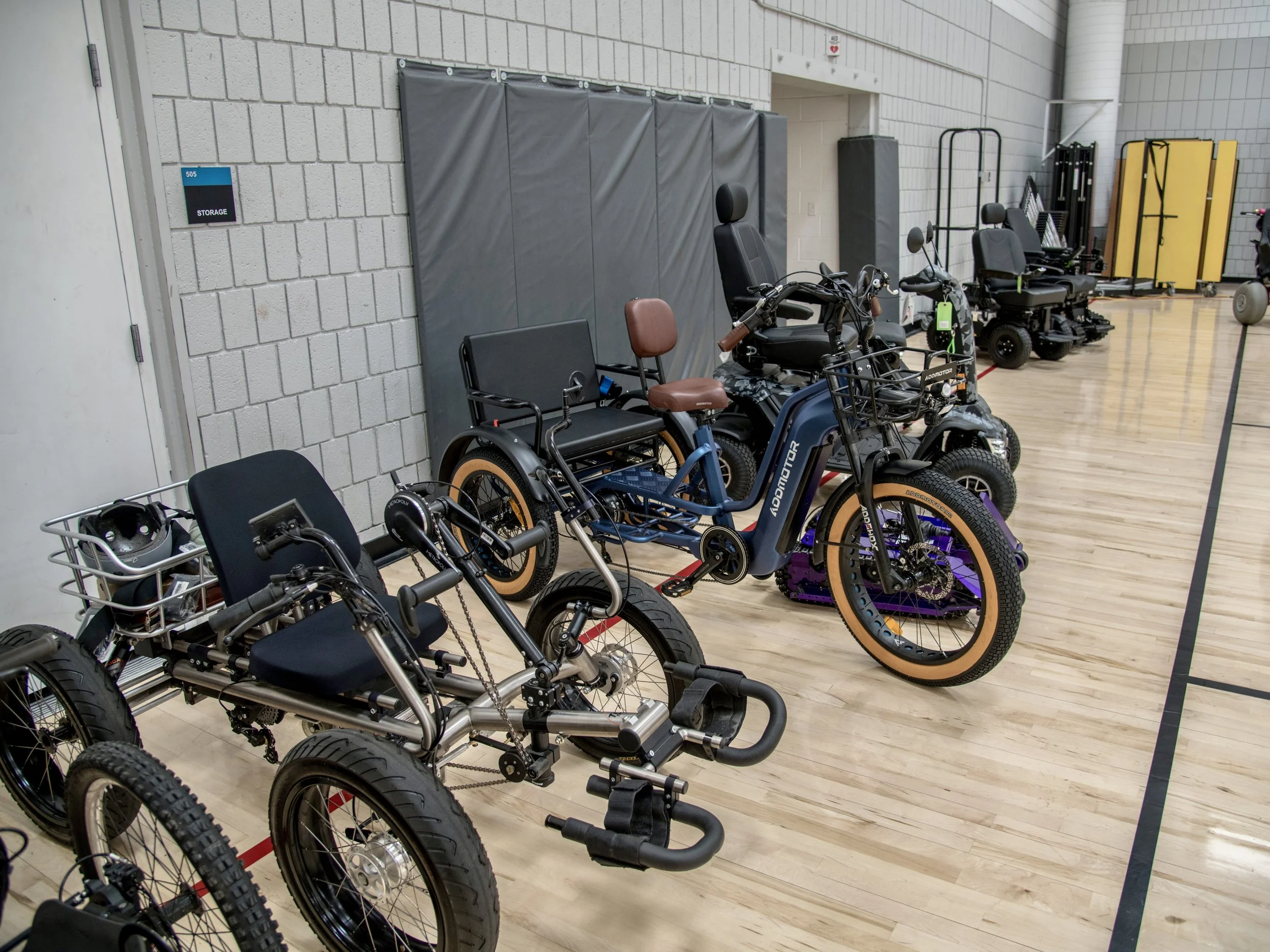
Assistive Technology (AT) are tools and devices that support individuals with disabilities in tasks that may prove difficult otherwise. They can include all kinds of things, like off-road mobility devices. Photo by David Ricketts.
They arrived equipped with knowledge, resources, and tech aimed at helping individuals with disabilities navigate the world with greater ease. The second annual assistive technology fair was put on by the Utah Assistive Technology Program (UATP) at Utah State University.
Assistive Technology (AT) are tools and devices that support individuals with disabilities in tasks that may prove difficult otherwise. AT can promote confidence, independence, and accessibility. Since the event was open to the public, the greater community was able to gain a better understanding of some of the hurdles individuals with disabilities might face and to also learn more about what support is out there.
As it turns out, support for individuals with disabilities is wide and continually growing. Part of UATP’s work is to keep up with advances in AT and engineer equipment for those in need around the state. UATP has its own lending library for individuals to rent what they need, purchase refurbished devices for sale at a lower cost, and get repairs.
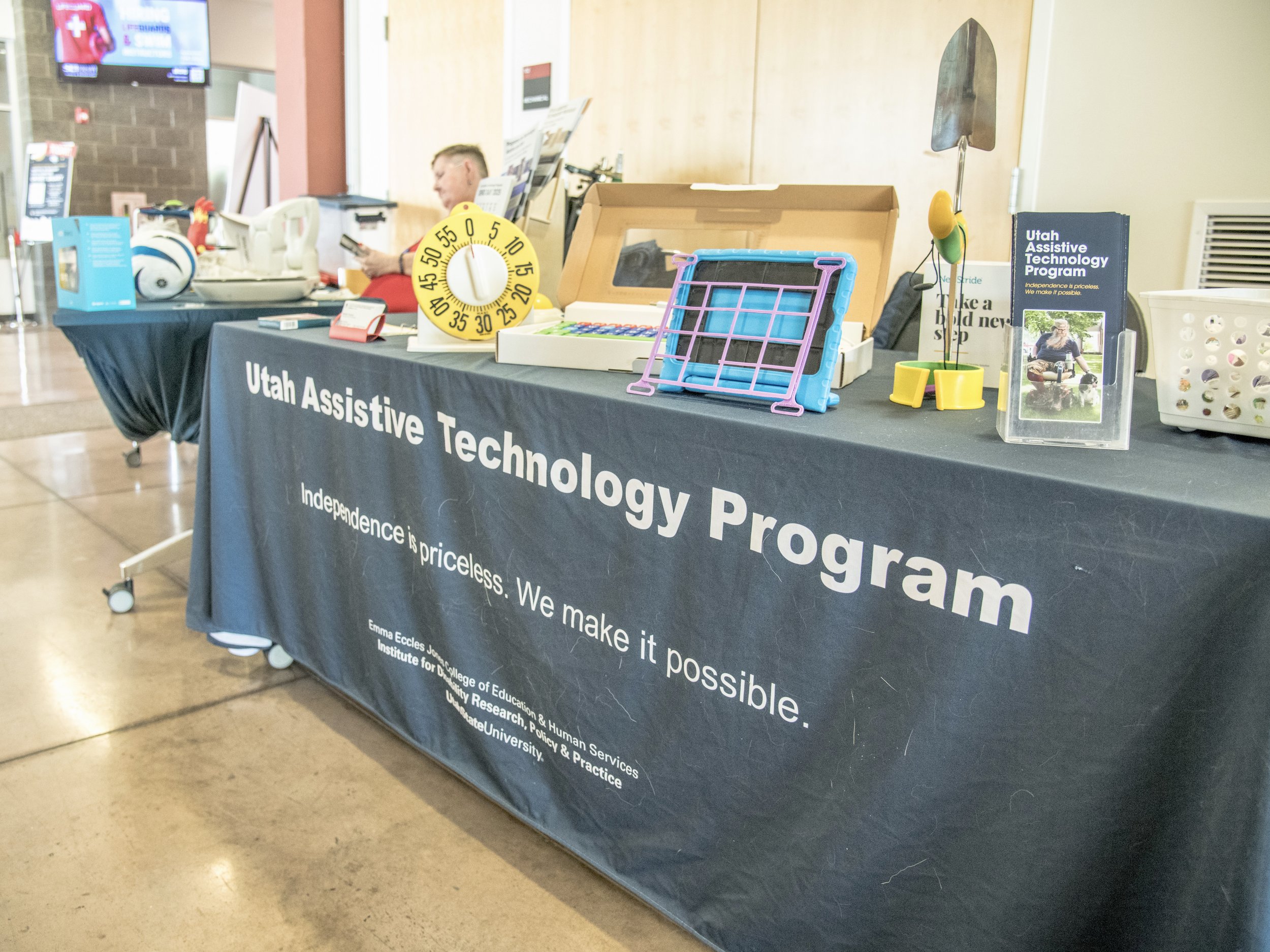
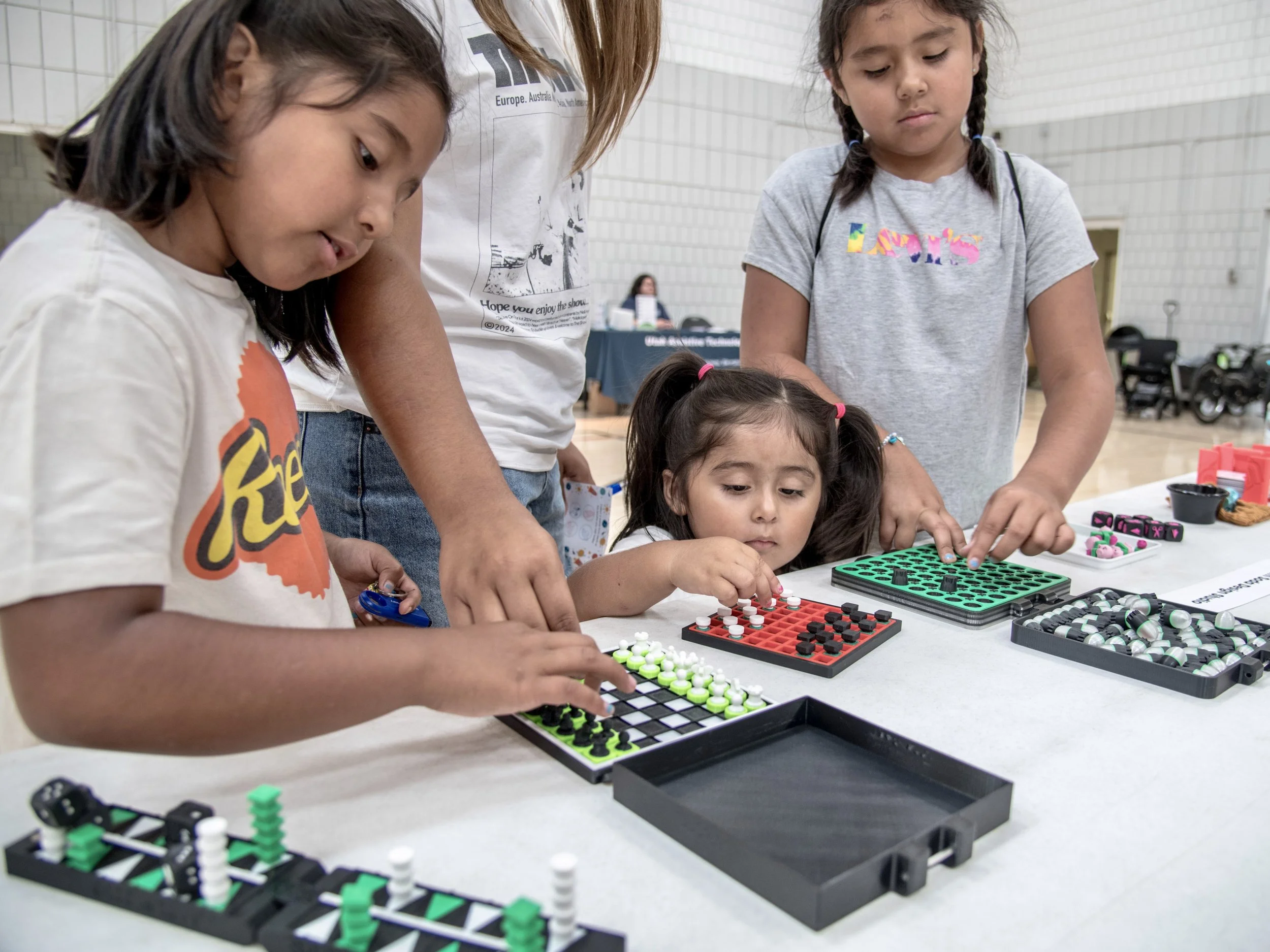
Utah Assistive Technology Program strives to connect individuals to the most cost-effective assistive technology options possible, operating under the idea that independence is priceless. Photo by David Ricketts.
“This event is a powerful way to demonstrate our shared commitment to empowering people with disabilities to live more independently through assistive technology,” said Bora Lee, Director of UATP.
Assistive Technology Professional Dan O’Crowley has been engaged in this particular bucket of work for almost 10 years with UATP and with the in-house design and adaptation of devices. “When someone is dealing with difficulties, issues, problems — they are not alone. There is a solution,” said O’Crowley.
With a background in engineering, O’Crowley and the UATP team are able to build solutions for individuals in need; this comes in hand especially when something doesn’t already exist. They even have a mobile van that travels the state and serves as a remote office and workshop, helping them reach more individuals across the state.
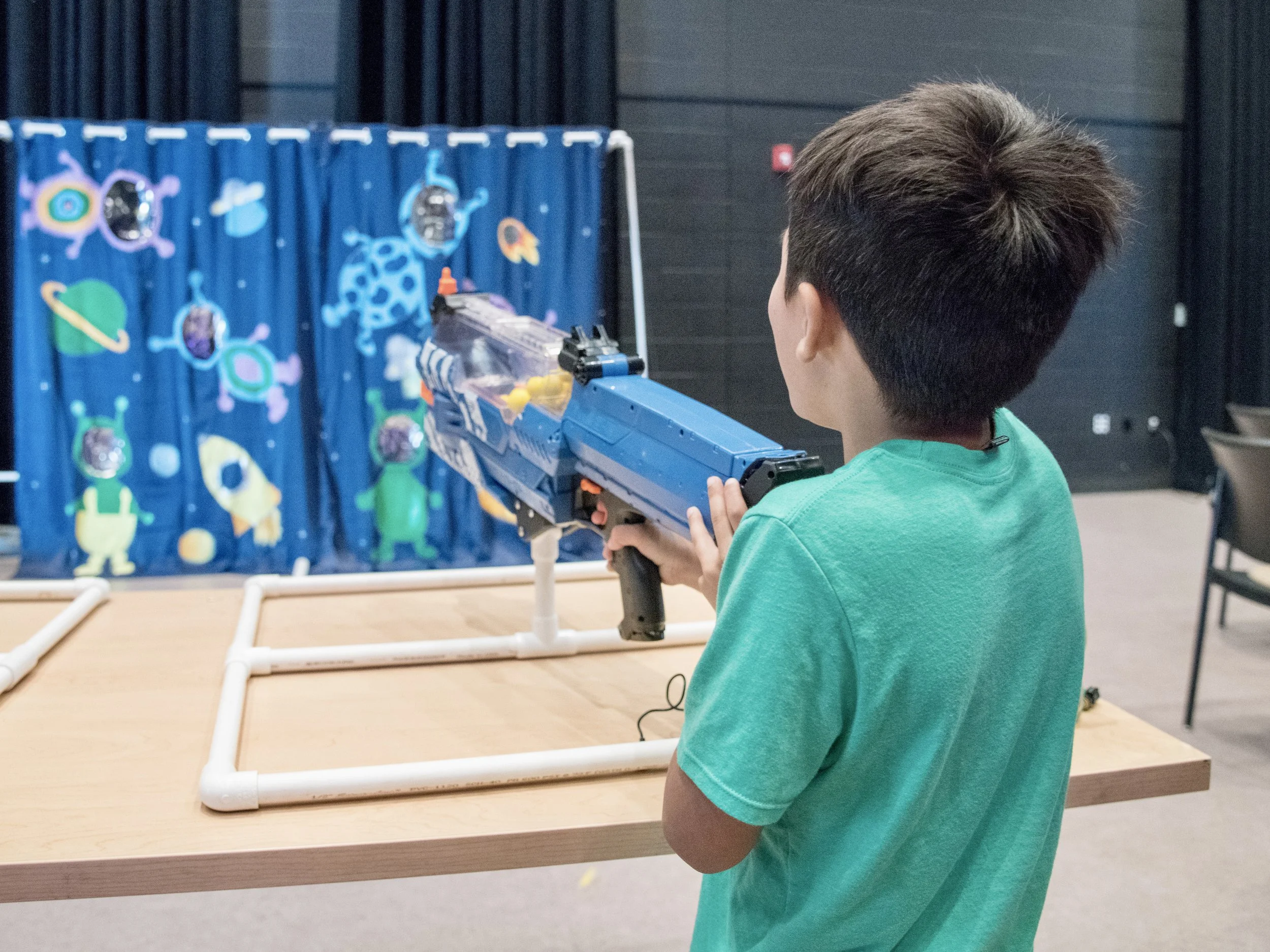
Hands-on activities were available in the Black Box theater, which included a rocket launcher craft station, adaptive Nerf space range, and adaptive video gaming. Exhibitors were available to answer questions and demonstrate various assistive technology, such as off-roading wheelchairs, stabilizing flatware, and car modification options. People in attendance were able to get an up-close view of several adaptive vehicles parked out front.
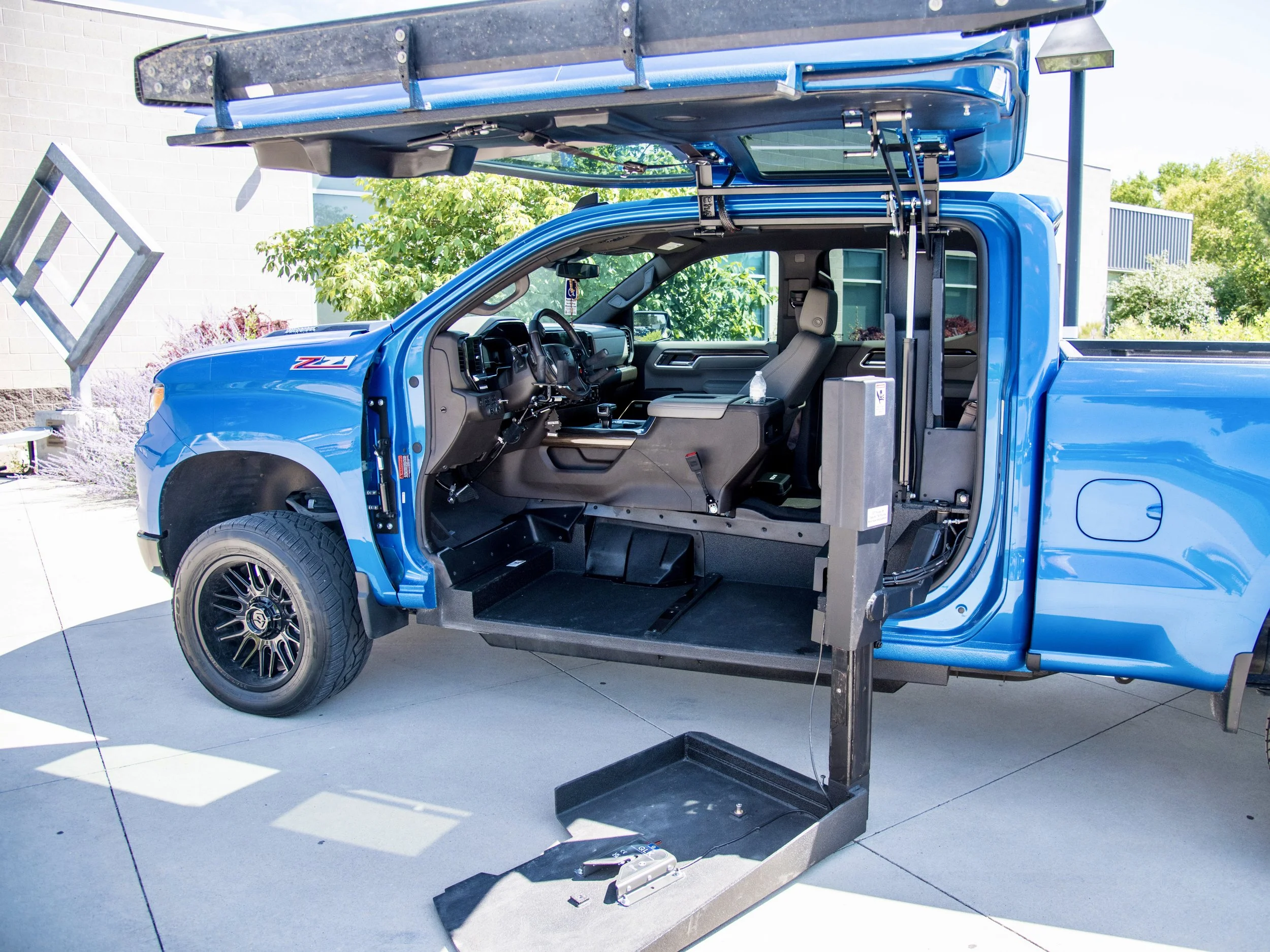
Attendees of the assistive technology fair got to see up-close how this kind of tech can help improve and expand a person’s ability to do everyday things, like get into and out of a vehicle. Photo by David Ricketts.
While many services for individuals with disabilities are covered by insurance, many are still not. Melinda Thornton with UATP explained that 7 out of 10 individuals are denied coverage for a wheelchair, as several kinds of assistive technology are not seen as medically-necessary. UATP strives to connect individuals to the most cost-effective options possible and offers low-interest loans, small business loans, and small grants for purchasing AT, operating under the vision that independence is priceless.
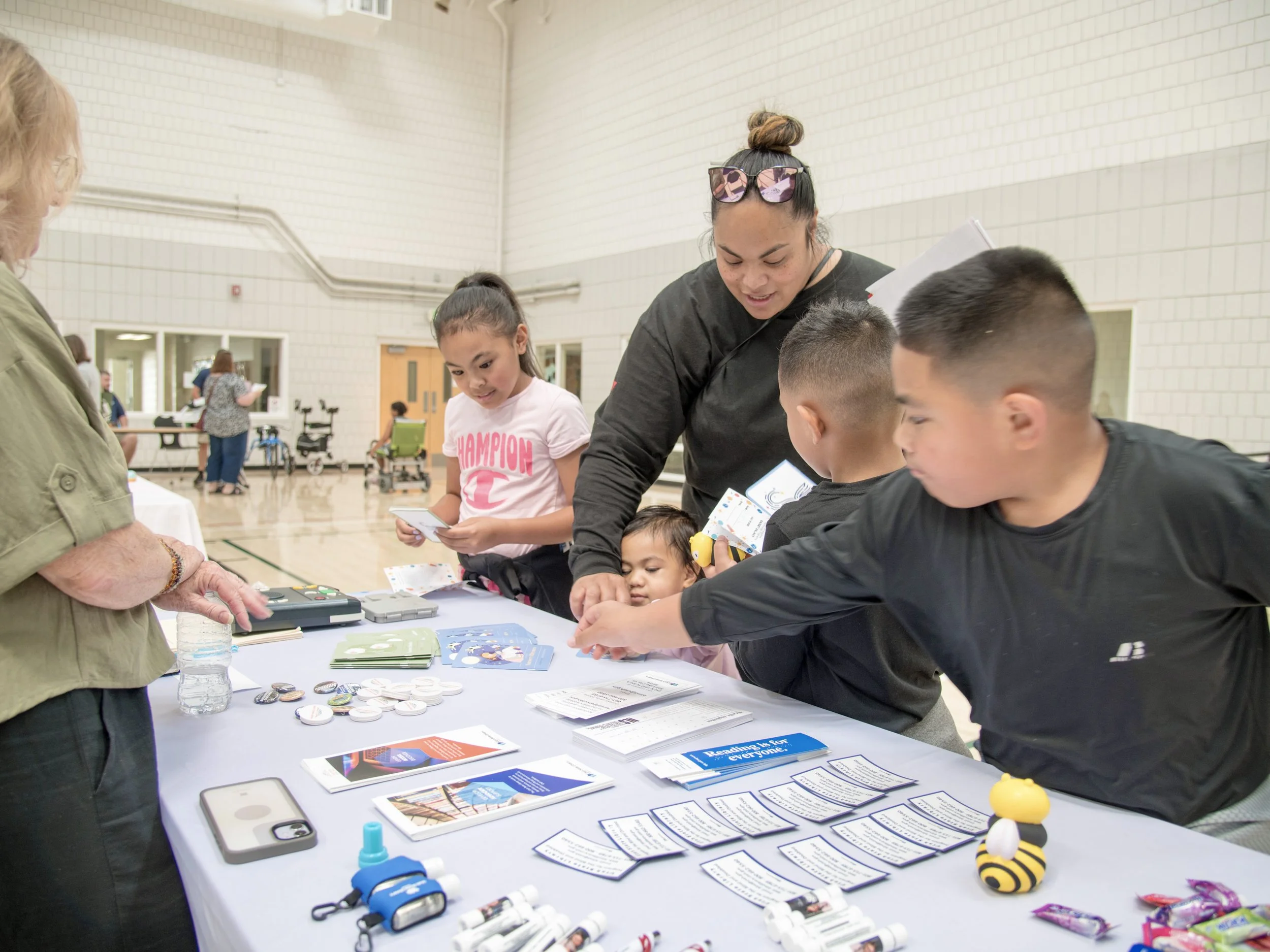
In addition to connecting individuals with free or low-cost equipment, UATP also makes a concerted effort to make sure individuals know about resources available to them locally. One such resource is the Utah State Library Program for the Blind and Disabled. Located at 250 North 1950 West Ste. A in the Jordan Meadows neighborhood, the program boasts the largest Braille and Audiobook library in the world. Individuals who are hard of hearing or are vision impaired are able to check out content and any additional equipment they might need, and the program works with other libraries around the county to provide access to as many communities as possible.