

Efforts to improve air quality and expand transportation options for older adults and underserved communities in Utah are receiving a boost through the AARP Community Challenge program. The national initiative supports quick-action projects that make communities healthier, more equitable, and easier to navigate for residents of all ages. Locally, the nonprofit organization HEAL Utah used the grant to explore solutions at the intersection of transportation, air quality, and public health, with a focus on vulnerable populations most impacted by pollution and mobility barriers.
Transportation, Air Quality, and Health
Transportation access is a key factor in community health and independence. Yet in many areas of Utah, older adults and residents of historically underserved neighborhoods face challenges in safely walking, biking, or using public transit. Meanwhile, vehicle emissions continue to be a leading source of air pollution in the state, contributing to respiratory and cardiovascular risks, particularly among seniors. Utah’s population aged 65 and older grew by 53% between 2010 and 2020, and ensuring accessible transportation is increasingly seen as essential for maintaining independence and community connection as the state’s residents age.
The project’s goal is to encourage the development of cleaner, safer transportation options that support healthier communities and reduce exposure to harmful air pollutants.
"This work is about making it easier for people to choose cleaner, healthier ways to get around," said Katie Balakir, Senior Policy Associate at HEAL Utah. "When we improve walkability and invest in sustainable transportation, we’re not just addressing mobility we’re also directly improving the air we all breathe."
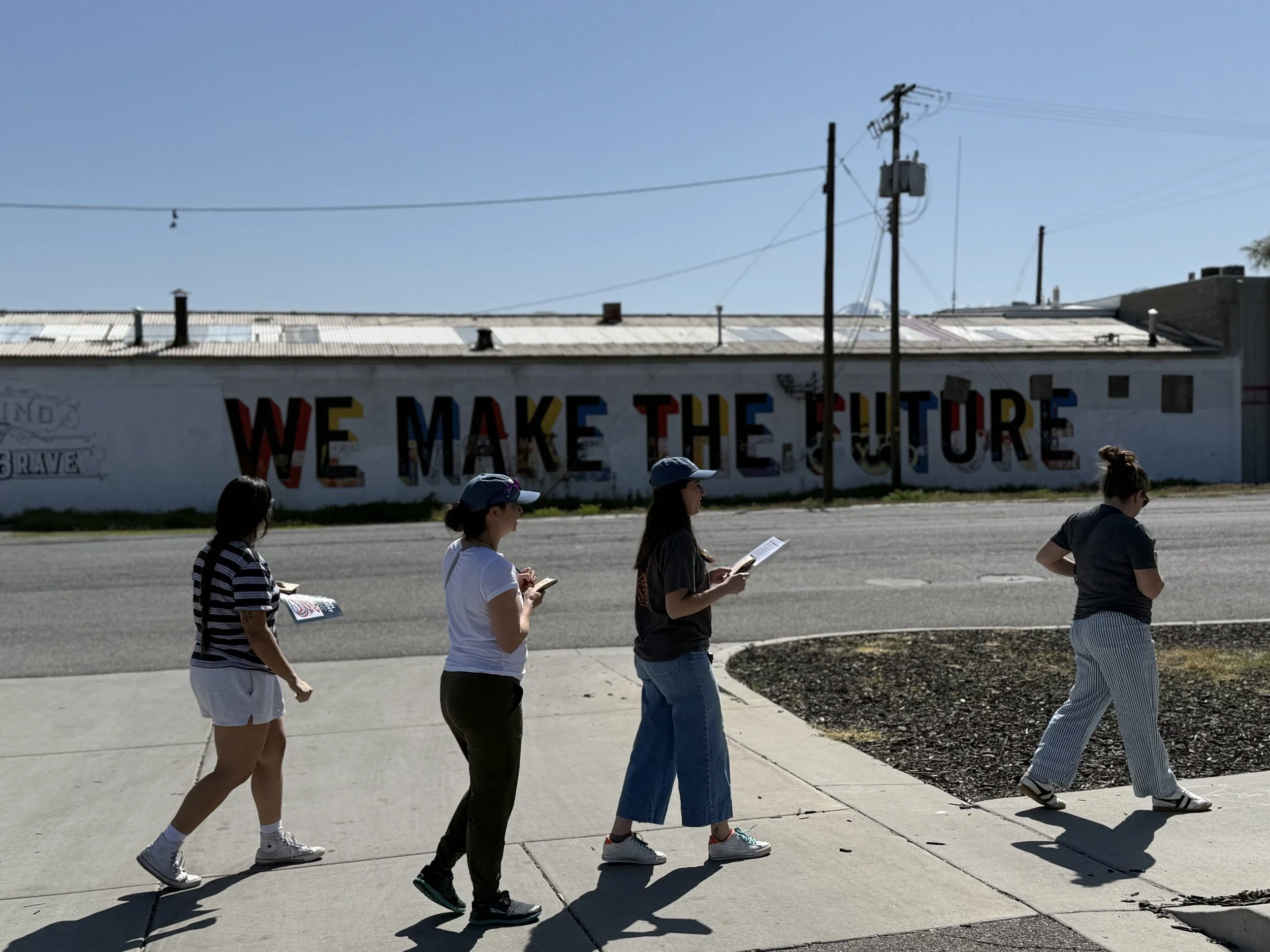
Walkability and Community Engagement
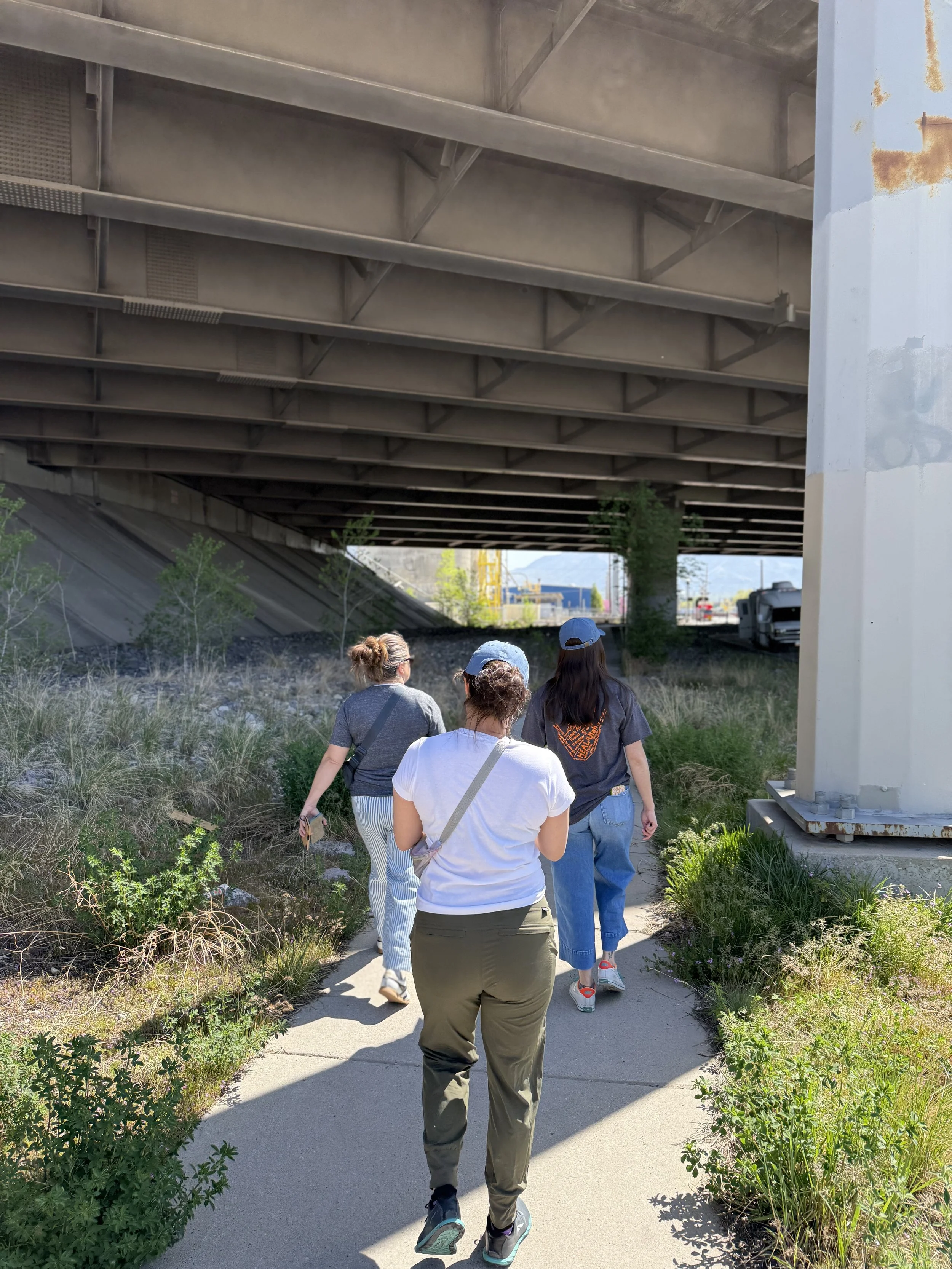
One of the core components of the initiative is improving neighborhood walkability. HEAL Utah developed a Walk Audit Toolkit to help residents assess the safety and accessibility of their streets, sidewalks, and intersections. Walk audits allow community members to document barriers: such as broken sidewalks or missing crosswalks, and advocate for local improvements.
Residents are encouraged to download the free toolkit and submit their findings at healutah.org/aarp to help inform future planning efforts.
Preparing for Utah’s Changing Demographics
Utah’s population aged 65 and older grew by 53% between 2010 and 2020, and ensuring accessible transportation is increasingly seen as essential for maintaining independence and community connection as the state’s residents age.
Organizers note that the data collected through these efforts will continue to support long-term solutions aimed at improving air quality, enhancing walkability, and expanding equitable transportation options.
As concerns about Utah’s air quality persist, projects like these are helping lay the groundwork for cleaner, healthier, and more inclusive communities across the state.
Learn more about this project by visiting healutah.org/aarp.
